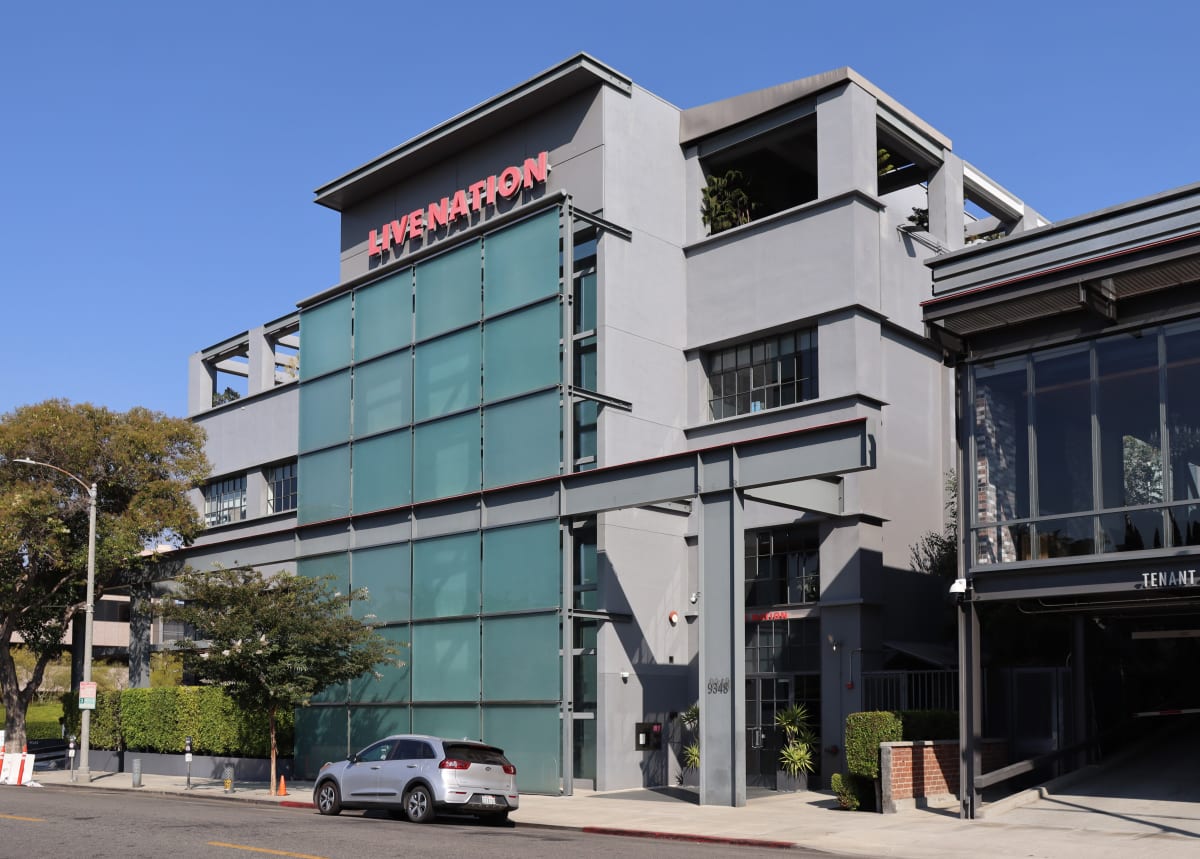
Live Nation settled with the U.S. Department of Justice on Monday — stopping a federal antitrust trial in its tracks and agreeing to sweeping structural changes to how Ticketmaster does business. The deal doesn't break up the two companies, which is what the DOJ originally wanted, but it forces real changes that could reshape how fans buy tickets to metal shows for years to come.
How We Got Here
This didn't happen overnight. Live Nation and Ticketmaster merged in 2010 after a DOJ review that approved the deal only with conditions — a consent decree requiring the company to license its ticketing software to competitors, maintain existing contracts, and avoid retaliatory behavior against venues that used rival ticketing services. That decree had teeth for about five minutes.
Critics said it failed almost immediately. The structural incentives were too strong. Live Nation owned or operated hundreds of venues, controlled major amphitheaters across the country, and ran the biggest concert promotion operation in North America. Ticketmaster handled the ticketing for most of them under exclusive agreements. If a venue wanted access to Live Nation's touring artists, the path of least resistance was bundling everything together — ticketing, promotion, the whole package. Independent promoters found themselves squeezed out of markets where Live Nation's venue footprint was dense.
The consent decree was extended in 2019 after DOJ found the company had violated its terms by threatening a venue that switched to a competing ticketer. That extension ran to 2025. Then in 2024, with evidence piled up from years of venue exclusivity complaints, suppressed competition, and fee structures that padded every transaction, the Biden-era DOJ filed a full antitrust lawsuit seeking a structural breakup. Trial started March 3 in Manhattan federal court. It lasted six days before a settlement was announced.
The Settlement Numbers
The headline figure is $280 million in damages paid to states that participated in the lawsuit. That number, while large by normal standards, drew immediate ridicule from industry insiders. The National Independent Venue Association's executive director put it plainly: it amounts to roughly four days of Live Nation's 2025 revenue.
Beyond the cash, the settlement requires Ticketmaster to cap service fees at 15%, divest up to 13 amphitheaters (or at minimum, relinquish exclusive booking agreements), and extend its consent decree with the Justice Department by eight years.
The Structural Changes That Actually Matter
The part of this deal that could have lasting impact for fans is the platform access requirement. Under the settlement, Ticketmaster must create a standalone product that allows third-party ticket-selling platforms — SeatGeek, StubHub, and others — to plug into its technology and list available inventory. Venues will also be able to list tickets through competing vendors, ending the de facto exclusivity that locked most major concert venues into Ticketmaster-only sales.
The settlement also bars Ticketmaster from requiring artists to use Live Nation's concert promotion services if they perform at Live Nation-owned venues. That decoupling of ticketing and promotion was one of the core structural complaints in the original lawsuit, which alleged that Live Nation used its dominance across venue ownership, promotion, and ticketing to squeeze out competition at every level.
Will Tickets Actually Get Cheaper?
Probably not dramatically, and the people who know this industry best aren't sugarcoating it.
Serona Elton, an attorney and vice dean at the University of Miami's Frost School of Music, noted that the settlement addresses anticompetitive tactics, not the underlying costs that drive ticket prices up. Production expenses, touring overhead, venue rental costs — those are real and they aren't going away because Ticketmaster now has to share shelf space with SeatGeek.
The 15% fee cap is the clearest direct benefit for fans, but even that has limits. And some critics, including SeatGeek's general counsel, argue the deal doesn't go nearly far enough — calling it "surface-level consolations that have failed for the last 16 years."
The States That Won't Back Down
One critical detail: this is a DOJ settlement, not a universal resolution. Twenty-seven states, including New York, Colorado, Arizona, and Texas, are continuing their own antitrust case and will not be bound by the DOJ deal. New York Attorney General Letitia James said the settlement "fails to address the monopoly at the center of this case, and would benefit Live Nation at the expense of consumers."
The trial itself was paused to give those states time to regroup. Jurors were told to return March 16. The judge presiding over the case, U.S. District Judge Arun Subramanian, was visibly frustrated — the settlement term sheet was reportedly signed last Thursday, but neither the DOJ nor Live Nation informed the court until late Sunday, while trial proceedings continued.
"It shows absolute disrespect for the court, for the jury, for this entire process," Subramanian said.
What It Means for the Metal Touring Ecosystem
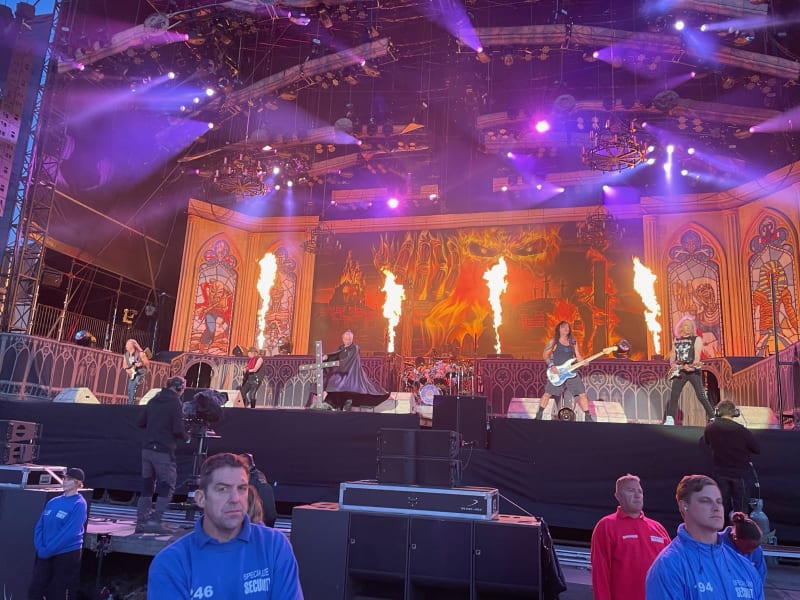
For metal specifically, the Live Nation grip has been felt for years in ways that don't show up on your ticket receipt. Major amphitheaters — Shoreline Amphitheatre in Mountain View, Xfinity Center outside Boston, DTE Energy Music Theatre in Detroit, Jiffy Lube Live in Virginia — operate under Live Nation management agreements. When a metal band books those venues, they're functionally inside the Live Nation system. That means Live Nation-affiliated promotion, Ticketmaster ticketing, and fee structures that the band has limited power to negotiate.
For bands that could draw 10,000 to 20,000 people — the mid-tier touring acts that are the backbone of this scene — the structural lock-in meant fewer options when routing summer tours. An independent promoter in a given market couldn't easily compete for a show at a Live Nation venue even if the band wanted to work with them. The venues weren't accessible on neutral terms.
The settlement's amphitheater divestiture and the prohibition on tying artist deals to venue access could gradually open that up. Artists who want to route around Live Nation's promotion arm should have more legitimate options. Whether independent promoters have the infrastructure and capital to compete in markets where Live Nation has dominated for 15 years is a separate question — but the legal barrier is lower now than it was yesterday.
For fans, the immediate change is the 15% fee cap, which kicks in when the settlement receives court approval. After that, the platform access rules need time to implement. Don't expect a different experience buying tickets to a summer metal festival in the next three months. This is a multi-year shift, not a light switch.
What To Do Right Now
The settlement changes nothing today. Until court approval and implementation, you're buying tickets the same way you always have. Here's how to do it smarter:
Compare before you commit. Before buying through Ticketmaster, check the venue's own box office page. Some venues sell a portion of tickets directly with lower fees. For larger shows, check StubHub and SeatGeek for face-value resales from fans who can't attend — especially in the 48 hours before a show when prices often drop.
Use presale codes. Band fan clubs, credit card presales (Citi, Amex), and venue email lists typically get first access at standard prices before dynamic pricing inflates the cost. If you're buying tickets to metal shows consistently, being on the right mailing lists is worth it.
Buy early or buy late. Dynamic pricing hits hardest in the middle window — after general on-sale but before the show. For sold-out shows, prices often drop significantly in the 24 hours before doors as sellers panic. For shows that aren't selling out, early purchases lock in the best prices before the algorithm adjusts upward.
You can browse current metal tour inventory and compare pricing directly:
🎟️ Search concert tickets on Ticketmaster
For more on the live music industry and metal touring landscape, check our 2026 metal tours tracker and festivals hub.