If you've ever sat in a Ticketmaster's checkout watching service fees stack up on a $40 ticket and wondered whether anyone on the other side of the screen actually cared — now you have your answer.
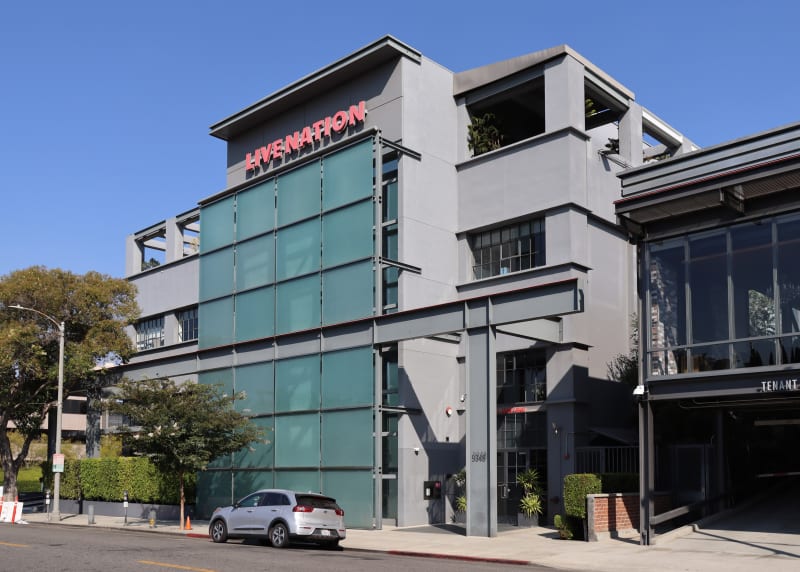
Unsealed court documents from the Department of Justice antitrust trial against Live Nation and Ticketmaster revealed this week that two of the company's own regional ticketing directors privately mocked fans as "so stupid" while bragging about pricing strategies that netted venues hundreds of thousands of dollars in parking revenue. The messages were exchanged on Live Nation's internal Slack platform between late 2021 and early 2023.
What Was Actually Said
The two employees named in the New York Times report are Ben Baker, then Florida regional ticketing director, and Jeff Weinhold, then Virginia regional ticketing director. Both have since been promoted — Baker now runs ticketing for Live Nation's Venue Nation division; Weinhold is a senior ticketing director covering the D.C. area.
In one exchange, after fans paid $199 for "VIP Club Admission" at a Kid Rock concert in 2022, Baker wrote: "These people are so stupid. I almost feel bad taking advantage of them." Weinhold responded: "I have VIP parking up to $250 lol."
In another message, Baker bragged openly about parking fee tiers at an unnamed venue — "$50 to park in the grass," "$60 for closer grass" — that generated $666,000 in 2021 alone. His summary: "Robbing them blind baby. That's how we do."
There's no ambiguity in these messages. No context that softens them. No alternative reading. These are ticketing executives, inside the world's largest live entertainment company, laughing about how much they can extract from people who just want to see a band.
Live Nation's Response
When the messages surfaced publicly, Live Nation issued a statement claiming leadership "learned of this when the public did" and said the company would "look into the matter promptly." They also argued the messages should be excluded from trial evidence entirely, describing them as "irrelevant" private exchanges that didn't reflect company policy.
That's a difficult position to hold. Baker wasn't describing a hypothetical. He was describing actual revenue figures — $666,000 in parking receipts — and characterizing the strategy used to generate them. The DOJ's legal team countered directly: the messages "provide a candid, contemporaneous look into how they view the prices that Live Nation charges fans for ancillary services at their respective venues."
The DOJ is right. That's exactly what these messages are.
Context: The Antitrust Settlement and What Comes Next
The Slack disclosures surfaced alongside news that the Justice Department reached a tentative settlement with Live Nation earlier this week. The terms include up to $280 million in damages, requirements to open ticketing deals to competing vendors, and the divestiture of 13 amphitheaters. As Metal Mantra reported last week, the settlement has been framed as a structural fix — but many state attorneys general are continuing their own lawsuits, unconvinced the federal deal goes far enough.
The Slack messages add a human face to what antitrust language often reduces to abstraction: market dominance, vertical integration, barrier to entry. What those legal categories describe, in practice, is a system where two employees in Florida and Virginia can joke about how easy it is to take money from fans — because there's nowhere else for those fans to go.
What It Means for the Scene
Heavy metal is a touring economy. Bands at every level — from arena headliners to clubs — depend on ticket revenue to survive. The venue fees, platform fees, parking gouges, and VIP upsells that Live Nation has built into its infrastructure don't just hit fans' wallets: they shape what tours are financially viable, which markets bands can play, and how much of a ticket price actually reaches the artist.
When two executives laugh about "robbing fans blind," they're also describing the conditions that make it harder for bands to build sustainable careers on the road. The extraction isn't isolated to parking receipts. It runs through the entire system.
The DOJ antitrust case, and the state-level suits continuing behind it, represent the most serious legal challenge to that system in decades. The Slack messages are now part of the public record — and they're exactly the kind of evidence that makes "we didn't know" an impossible defense.
Baker and Weinhold aren't rogue actors who slipped through the cracks. They're promoted.
Related: Live Nation Settles DOJ Antitrust Lawsuit: What It Means for Concert Tickets
Find metal tours and upcoming shows at Metal Mantra.