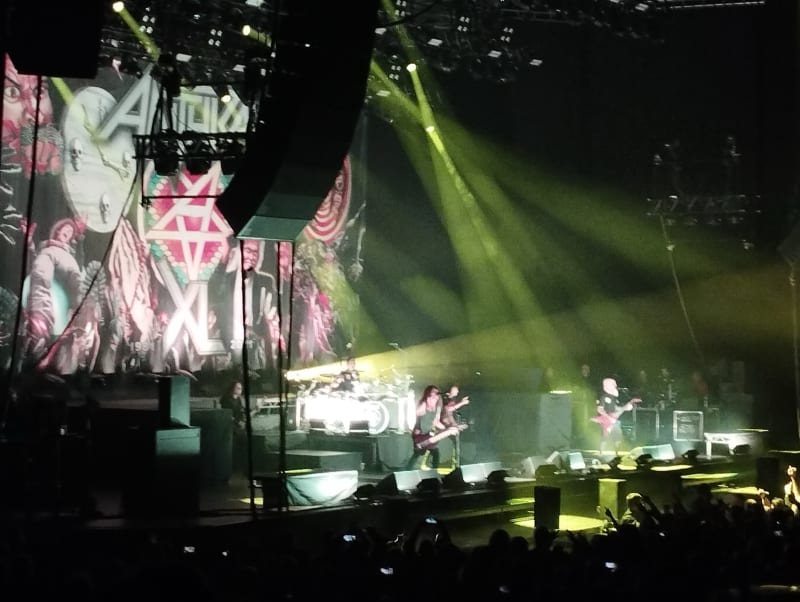
Let's get the obvious part out of the way: if you go to metal shows without earplugs, you are damaging your hearing. Not might. Are. Every show. Permanently.
Tinnitus doesn't care how many times you've seen Slayer. It doesn't care about your pit cred. It's a high-pitched whine that moves in after one too many 110dB sets and never leaves. Ask any touring musician over 40 what they wish they'd done differently — earplugs is always the answer.
The problem has never been awareness. Everyone knows loud music damages hearing. The problem has been that earplugs used to suck. Foam plugs turn everything into muffled garbage. You lose the highs, the kick drum disappears, and the whole experience feels like listening through a mattress.
That's not the case anymore.
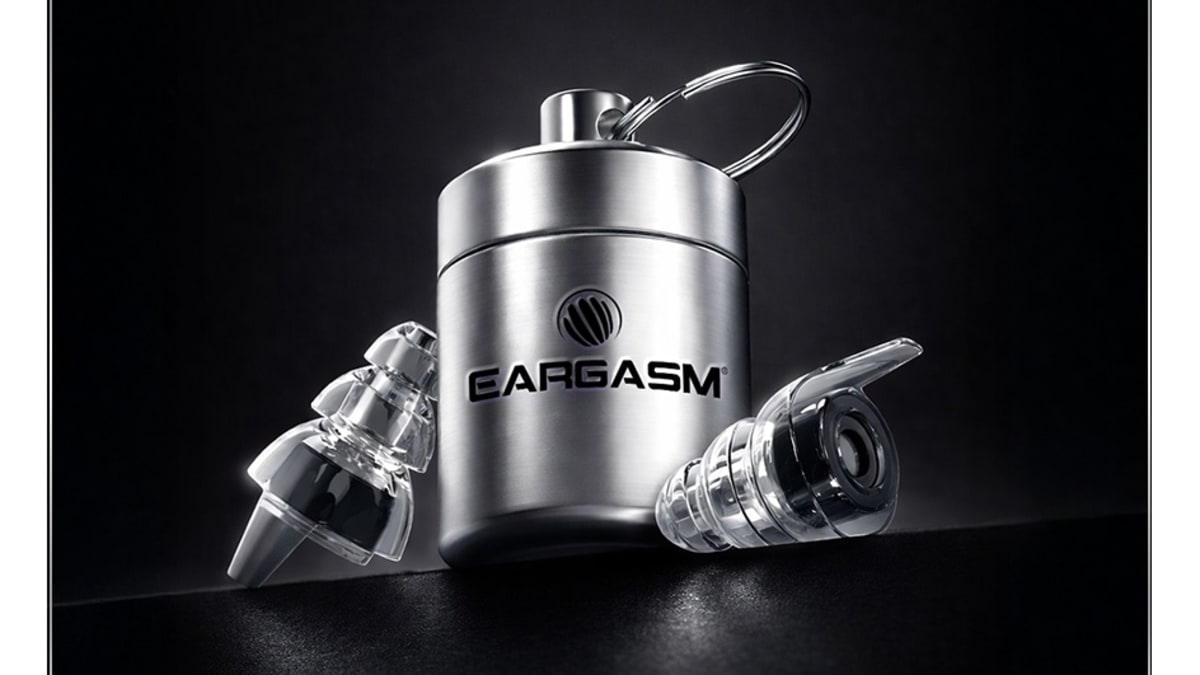
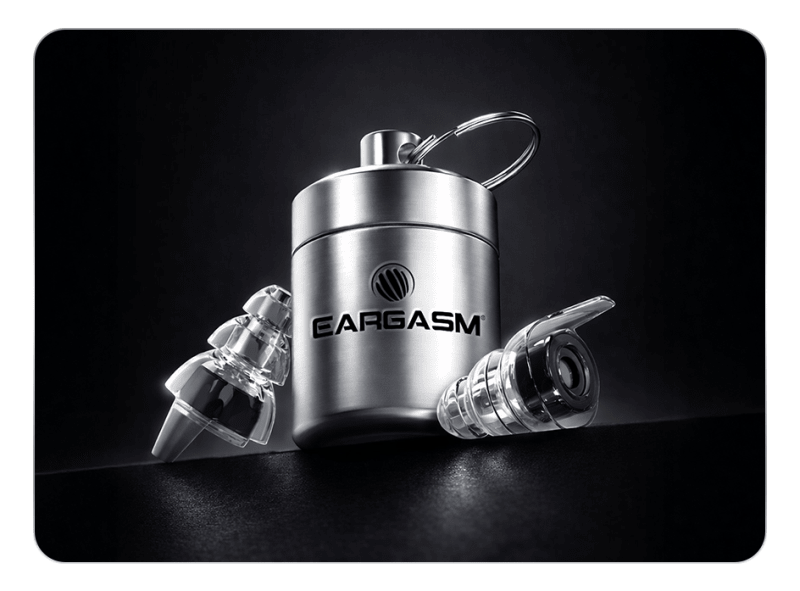
Eargasm High Fidelity Earplugs — The Only Pair We Recommend
NRR: ~16 dB | Price: ~$35 | Discount: Code MANTRA10 for 10% off
Eargasm High Fidelity Earplugs are the standard in the live music community, and they've earned that position by solving the one problem that kept people from wearing earplugs: sound quality.
The attenuation is even across the frequency spectrum. Highs, mids, and lows all come down proportionally. You hear the same music — the same kick, the same cymbal wash, the same vocal detail — at a volume that doesn't destroy the hair cells in your inner ear. That's not marketing language. That's what high-fidelity attenuation means: the volume drops, the music doesn't change.
What Makes Them Work
Eargasm uses a proprietary filter system that reduces noise evenly across all frequencies rather than just blocking the loudest ones. Cheap foam plugs work by creating a physical barrier — which kills high frequencies first and turns everything into a bass-heavy mess. Eargasm's approach is engineered, not brute-force.
They come with two shell sizes to fit different ear canals, and the silicone is soft enough for multi-hour wear. We've worn them through full festival days — 8+ hours — without discomfort. They ship with an aluminum carrying case small enough to clip on a keychain, which means you'll actually have them when you need them.
Where We've Used Them
These have been our go-to at Louder Than Life, Aftershock, Headbangers Boat, and dozens of club shows. Front row at Lamb of God. Side stage at Exodus. In the pit at Knocked Loose. Every situation, they deliver.
The difference between wearing Eargasm and wearing nothing is the difference between enjoying the show and spending the drive home with your ears ringing. Once you hear the difference, you don't go back.
How Loud Is Too Loud?
Sound is measured in decibels. Here's what you're actually dealing with:
| Source | Decibel Level | Safe Exposure Time |
|---|---|---|
| Normal conversation | 60 dB | Unlimited |
| Headphones at 70% | 85 dB | 8 hours |
| Motorcycle | 95 dB | 47 minutes |
| Rock/metal concert | 100-115 dB | Under 5 minutes |
| Front row at a metal show | 110-120 dB | Under 2 minutes |
| Pain threshold | 125 dB | Immediate damage |
110 dB is 100 times more intense than 85 dB. That's not a typo. Decibels are logarithmic — every 10 dB increase is a 10x increase in intensity. Standing front row at a metal show without protection is the acoustic equivalent of staring directly at the sun.
Eargasm's High Fidelity filters bring a 110 dB show down to approximately 94 dB — still loud, still visceral, but within a range your ears can handle for a full set without permanent damage.
The Science You Can't Argue With
A metal show at 110 dB causes measurable hearing damage in under 2 minutes of unprotected exposure. A full set is 45-60 minutes. A festival day is 8-10 hours. The math doesn't work without protection.
Hearing loss from noise exposure is cumulative and irreversible. There is no surgery, no hearing aid, no treatment that restores noise-damaged hearing. Once those hair cells in your cochlea die, they don't regenerate. The ringing you hear after a show? That's damage happening in real time.
High-fidelity earplugs are not a compromise. They're an upgrade. You hear the music better — cleaner, less distorted, without the painful peaks that your brain compensates for by literally shutting down frequency sensitivity. That shutdown is hearing loss. It's happening every show you attend without protection.
Who Already Wears Them
Every touring musician. Every sound engineer. Every producer. Every monitor tech. Every guitar tech. Every drum tech. The people who are closest to the music, who understand it best, who depend on their hearing for their livelihood — they all wear earplugs. Every night.
The only people in the building who don't wear hearing protection are the fans. That needs to change.
Get Them
Metal Mantra readers get 10% off with code MANTRA10 at eargasm.com.
$35 before the discount. Less than a single concert ticket. Less than a band tee. Less than two beers at a venue. Less than your co-pay to see the audiologist you'll be visiting every year if you don't start wearing them. For something that protects the one sense you can't get back.
Your ears will thank you. Your future self will thank you more.
Which Eargasm Model Is Right for You?
Eargasm makes several variants, and the differences matter depending on how you use them.
High Fidelity Earplugs — This is the flagship. The one we recommend by default. ~16 dB NRR, even attenuation, two shell sizes, aluminum case. Works for 99% of live music situations. If you buy one pair, it's this one.
Eargasm Smaller Earplug — Same filter technology in a smaller housing. For people whose ear canals don't fit the standard shell — the included small tips on the High Fidelity version handle most cases, but this is the option if you're still having fit issues.
Eargasm Super Plugs — Higher attenuation (26 dB NRR), designed for extreme environments: industrial noise, firearms, sustained high-SPL situations. For most metal shows they're overkill — you'll lose more sound quality than necessary. The High Fidelity is the better call for shows.
The Eargasm XL — Larger housing for wider ear canals. Same filter, same principle, larger fit. If the standard keeps falling out, try XL.
For most readers: High Fidelity, standard size, MANTRA10 for 10% off. Done.
Fit Matters More Than You Think
Even the best earplug is useless if it doesn't create a proper seal. A poor seal means sound leaks around the plug rather than through the filter — defeating the entire purpose and giving you uneven, unreliable attenuation.
Getting the right fit:
- Use the right shell size. Eargasm ships with two sizes. Spend 30 seconds figuring out which fits your ear. The right shell sits flush without pressure; the wrong one either falls out or creates discomfort within 20 minutes.
- Insert properly. Reach over your head with the opposite hand to gently pull the top of your ear upward and backward — this straightens the ear canal. Then insert the plug. This is the same technique audiologists use for custom molds.
- Test the seal. Press your hand gently over your ear with the plug inserted. You should hear a slight change in pressure/resonance if the seal is good. Cup both hands over both ears and hum — the sound should feel contained and even, not leaking.
- Break them in. The silicone softens slightly with body heat and use. They'll feel more natural after the first two or three shows.
If you're getting fit issues after trying both sizes, Eargasm's customer support is responsive. They will work it out with you — they've been doing this long enough to have seen every ear shape.
Caring for Your Earplugs
Silicone collects earwax and debris. That's not a flaw, it's physics. Keeping them clean preserves both hygiene and filter performance.
After every show: wipe the shells with a slightly damp cloth. Do not submerge them in water — the filters are not waterproof. Do not use alcohol wipes directly on the filter housing; alcohol degrades silicone over time.
The aluminum case keeps them protected between uses. Use it. Loose in a pocket means a pocket full of lint and an earplug that's lost its seal integrity.
Filters do not last forever. Eargasm sells replacement filters, and after heavy use — say, 30+ shows a year — it's worth swapping them. If your High Fidelity plugs start sounding slightly different than they used to, that's usually the filter. Replace before the next festival weekend, not during it.
Common Objections, Answered
"They'll make the show sound bad."
No. High-fidelity attenuation drops volume proportionally. The show sounds the same, quieter. This is different from foam plugs, which kill high frequencies and leave you with nothing but bass and kick. The first time you wear Eargasm at a show you'll wonder why you waited.
"I look stupid wearing them."
The shells are nearly invisible once inserted. Nobody will know you're wearing them unless they're looking for it. And touring musicians, stage crew, and venue staff all wear them. The people who actually work in live music wear hearing protection. Always.
"I only go to a few shows a year."
Hearing damage is cumulative and permanent. Two shows a year at 110 dB still causes damage. There is no threshold below which exposure is "safe enough to ignore." The risk is always real.
"I'm young, I'll deal with it later."
The damage is happening now. Tinnitus typically becomes chronic 10–20 years after the causative exposure. By the time it's loud enough to notice, you've already lost significant hearing acuity. The time to start is the next show.
"$35 is too expensive."
Less than a band tee. Less than two drinks at a venue. Less than the parking. Less than the co-pay for the hearing test you'll need in your 40s. The math isn't close.
The Bigger Picture
Metal is loud. That's part of what it is. The physical impact of a wall of amplified sound at 110 dB is part of the experience — the way you feel it in your chest, the way the air pressure changes when the blast beats hit. Earplugs don't take that away.
What they take away is the damage. You still feel everything. You still hear everything. You just don't pay for it later.
The metal community has been slow to adopt hearing protection relative to other music scenes. That's starting to change. Younger fans are more aware. More artists are talking about it publicly — Trent Reznor, Dave Grohl, Chris Martin all with documented hearing damage or tinnitus, all vocal about prevention being the only option.
Metal Mantra covers this community because we're part of it. And if you're reading this because you care about the music — the actual experience of hearing it, for the rest of your life — then $35 and MANTRA10 is the easiest decision you'll make this year.
Your ears are the only ones you get. Protect them.
Get Eargasm High Fidelity Earplugs: eargasm.com — use code MANTRA10 for 10% off.
More Metal Mantra: Metal Festival Gear Guide | Tour Coverage | Metal News