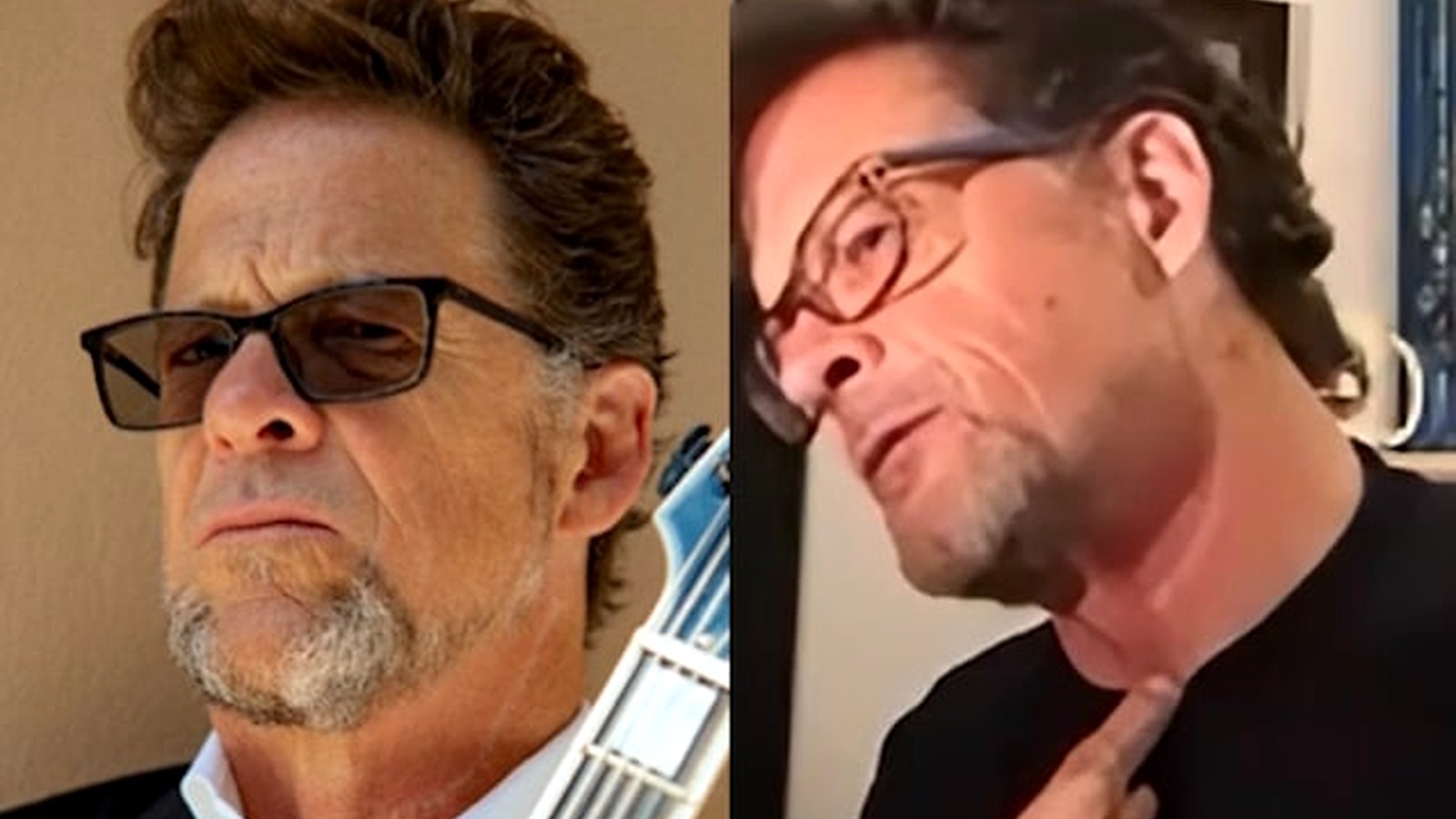
Megadeth Play 'Ride the Lightning' Live: Why the Debut Matters
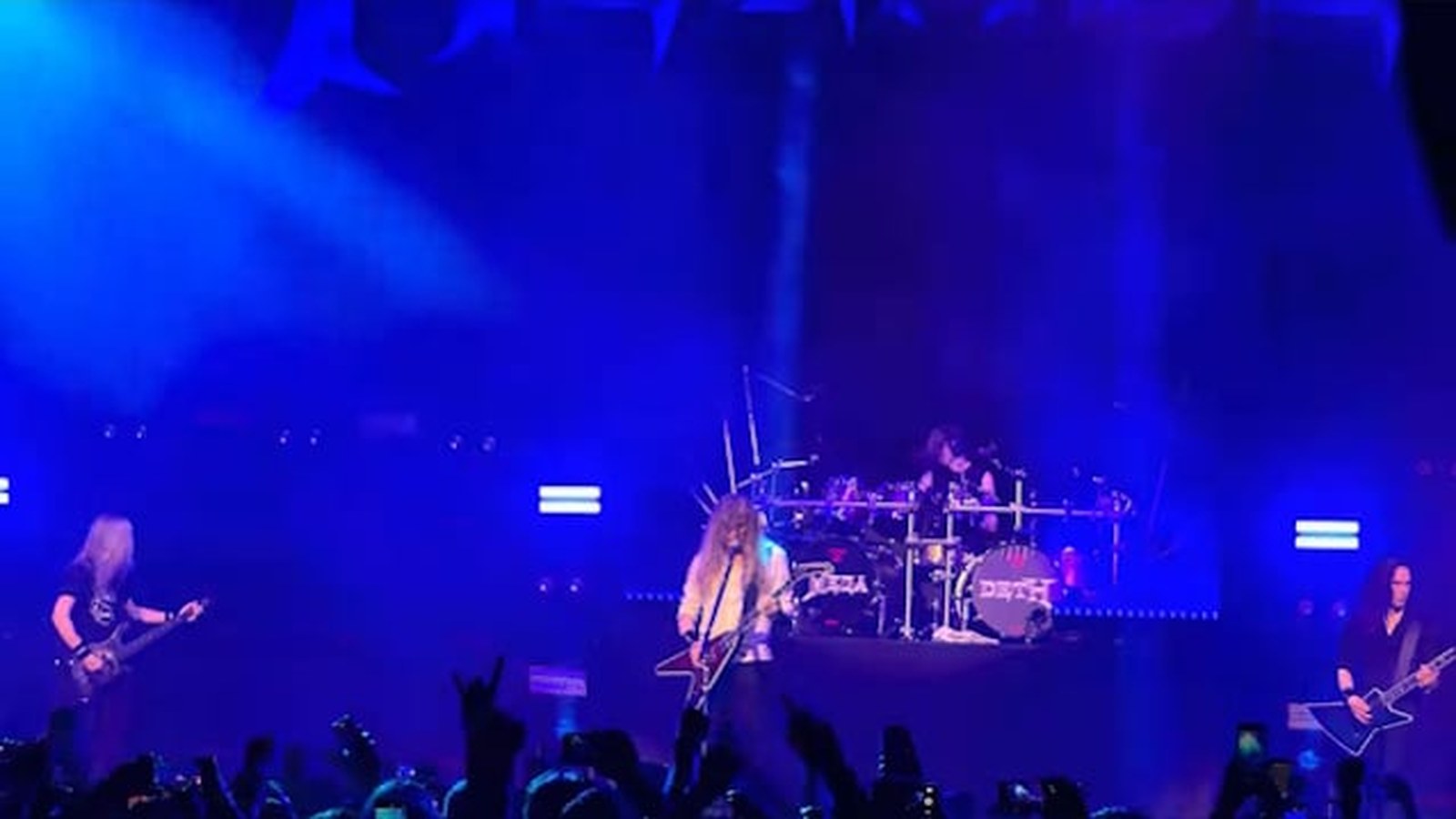
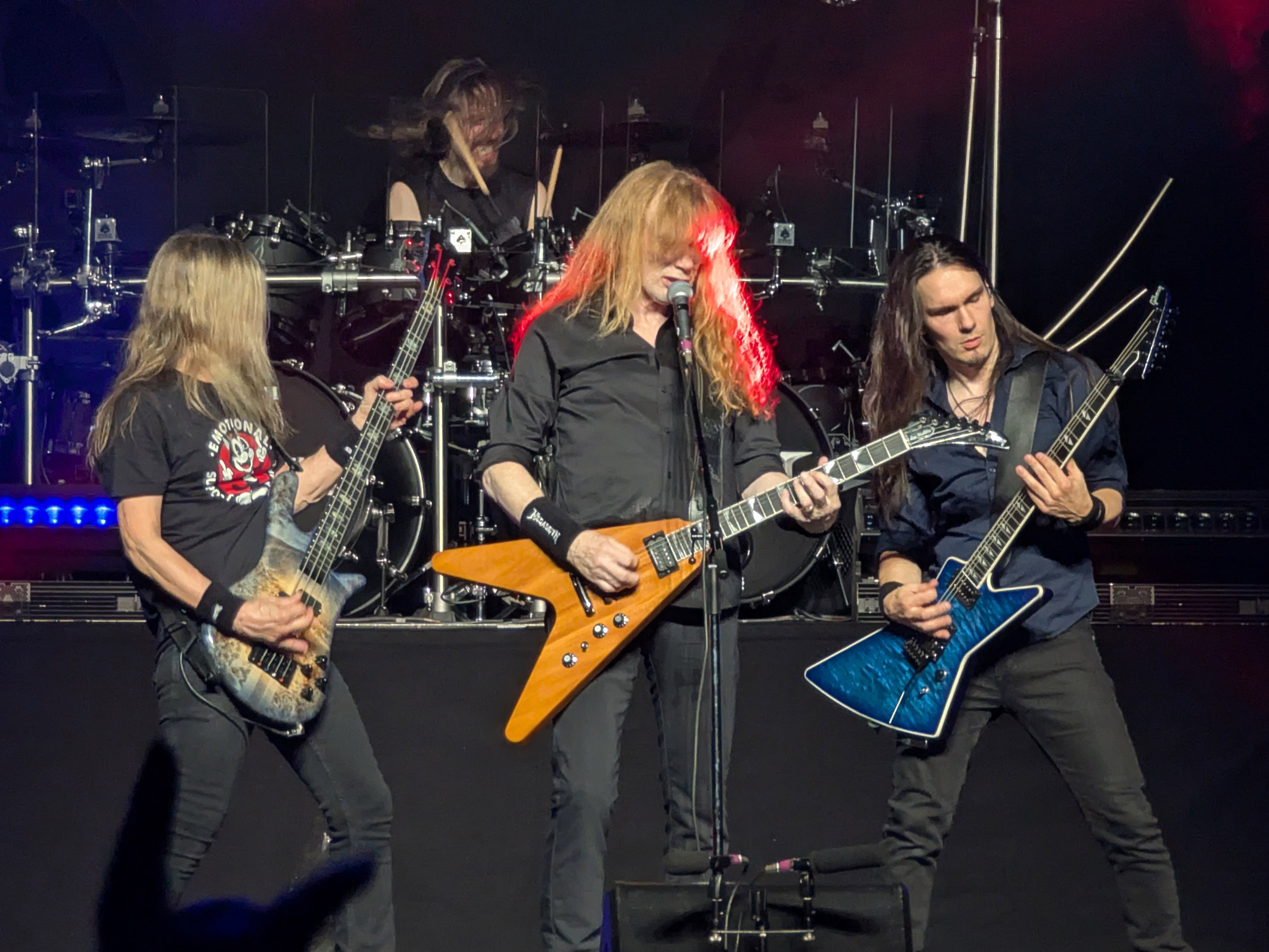
Megadeth finally played "Ride the Lightning" live, and no, this is not just another cover slipping into a legacy-band setlist. Dave Mustaine brought one of the most loaded songs in thrash history into Megadeth's own show Sunday night, April 26, at Movistar Arena in Bogota, Colombia, giving the Metallica classic its first known Megadeth live airing.
The moment matters because "Ride the Lightning" has always sat in the messy bloodline between Metallica and Megadeth. Mustaine received a co-writing credit on the title track from Metallica's 1984 album after his 1983 exit from the band, and he has spent the rest of his career turning that rupture into one of metal's defining rivalries. Hearing Megadeth play it now does not erase that history. It puts it onstage where everybody can hear the scar tissue.
What Megadeth Played In Bogota
The Bogota set was already stacked before the surprise landed. Megadeth opened with "Tipping Point" and ran through pillars like "Hangar 18," "Wake Up Dead," "In My Darkest Hour," "Sweating Bullets," "Trust," "Tornado of Souls," "Mechanix," "Peace Sells," "Symphony of Destruction," and the encore closer "Holy Wars... The Punishment Due."
Then, late in the main set, "Ride the Lightning" arrived right after "Mechanix." That sequencing is not subtle. "Mechanix" is Mustaine's original version of the song Metallica reshaped into "The Four Horsemen" for Kill 'Em All. Dropping "Ride the Lightning" immediately after it turned that part of the set into a compact history lesson: the split, the shared riffs, the rewritten songs, the decades of mythology, and the still-unfinished conversation between two bands that helped define the form.
Metal Mantra has already tracked Megadeth's current final-era momentum, including the band's recent chart win in Megadeth Hit No. 1 on the Billboard 200. This live debut feels connected to that same late-career framing. Mustaine is not just touring the hits; he is actively curating the story he wants left behind.
Why This Song Hits Different For Dave Mustaine
Earlier this year, Mustaine explained that Megadeth's version of "Ride the Lightning" was not chosen like a normal outside cover. He has described it as one of his songs, written with James Hetfield, Lars Ulrich, and Cliff Burton, and he has framed the new recording as a way to close a circle rather than reopen an old wound.
That is the difference. If Megadeth had tossed a random Metallica song into the set, it would feel like bait. "Ride the Lightning" is more complicated. It carries Mustaine's fingerprints, Hetfield's voice, Ulrich and Burton's arrangement DNA, and Kirk Hammett's recorded lead identity. Megadeth playing it in 2026 is not neutral nostalgia. It is a founder of one band reclaiming a piece of shared architecture through the band he built afterward.
That tension is also why Metallica context matters here. Tyson's own coverage of Metallica's M72 weekend at Levi's Stadium made clear how deeply these old songs still function as living communal events, not museum pieces. "Ride the Lightning" in a Megadeth set hits that same nerve from a stranger angle.
The Final-Era Setlist Is Getting Sharper
The Bogota debut also says something about Megadeth's current touring mindset. Legacy acts often get safer as the endgame approaches. They protect the brand, lock the set, and avoid anything that might trigger unwanted comparison. Mustaine appears to be doing the opposite. He is leaning into the unresolved chapters because the unresolved chapters are part of the value.
For longtime thrash fans, that makes this a bigger move than a simple fan-filmed clip. "Ride the Lightning" is one of the genre's essential documents. It belongs in the same conversation as the records we broke down in Best Thrash Metal Albums of All Time, because it helped establish the speed, drama, and precision that became thrash's native language.
If you are revisiting the source material, the obvious play is to go back through Metallica's Ride the Lightning on Amazon and then put it next to Megadeth's own catalog. The contrast is the whole point: same era, shared DNA, completely different emotional temperature.
What Comes Next
The big question now is whether "Ride the Lightning" becomes a regular feature in Megadeth's set or stays a one-night lightning strike. Mustaine teased the possibility months ago, and Bogota proved the band can actually pull it into the live machine without turning the show into a Metallica tribute detour.
That is the line Megadeth has to walk. The song works because it belongs to the history without swallowing the present. If Mustaine keeps it in the set, it becomes a statement. If he drops it after Bogota, it becomes a legend for the tape-traders and YouTube obsessives.
Either way, Megadeth just put one of metal's most argued-over songs back into motion. For a band approaching its final chapter, that is exactly the kind of dangerous, deliberate move that makes the endgame worth watching.