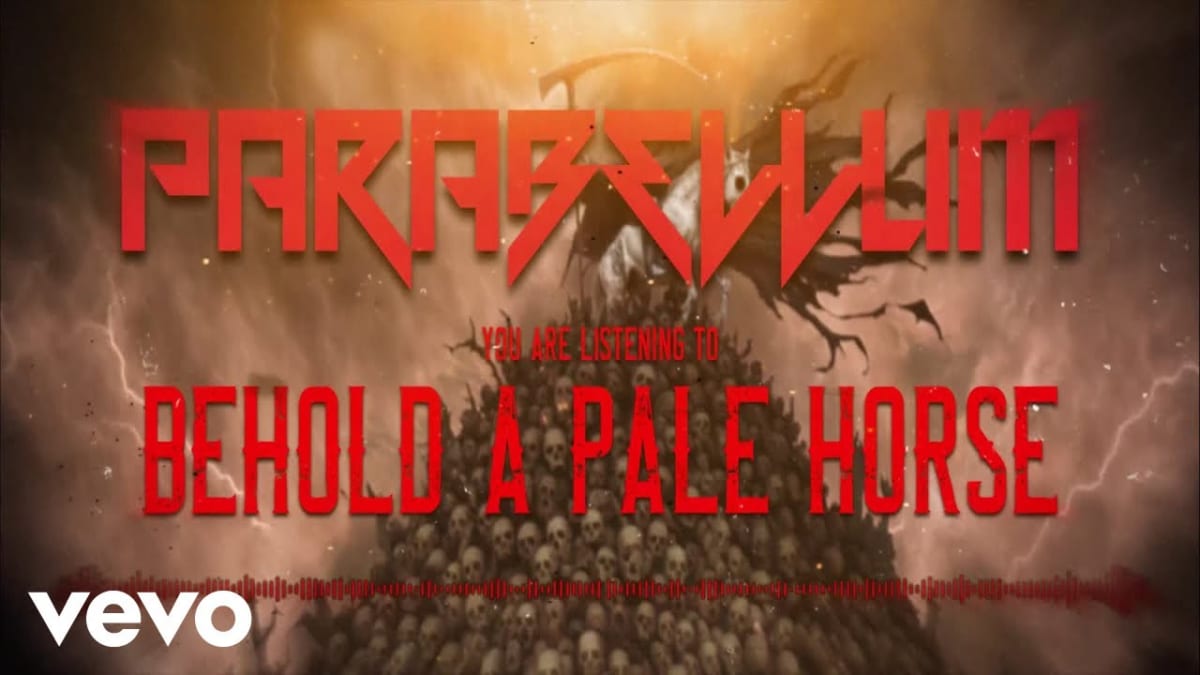
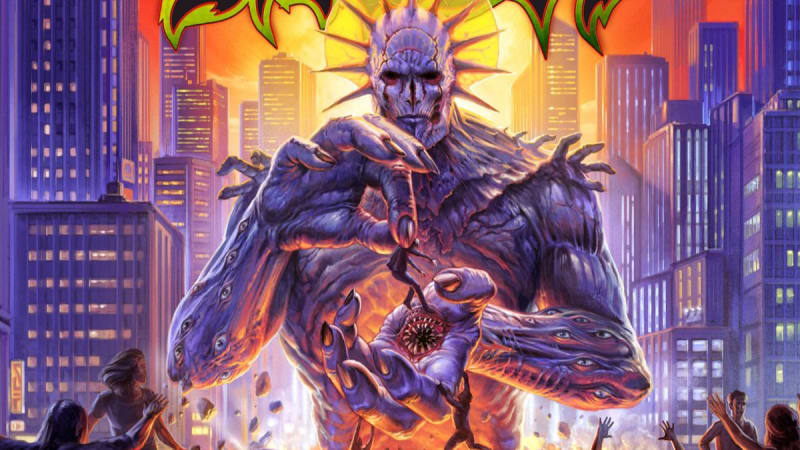
Some bands take on the Book of Revelation and come back with a concept album full of borrowed gravity — death imagery lifted from better records, apocalyptic framing used as aesthetic rather than argument. Behold a Pale Horse, the second album from Sacramento's Parabellum, is not that. It's a record with genuine ideas behind the aggression, built by a band that understands the difference between having a concept and using it as a crutch.
Rating: 8/10
What This Is
Parabellum formed in Sacramento in the early 2020s, and by any objective measure have moved faster than most young thrash bands have any right to. Their debut, The Iron Curtain (2024), established them as a serious NorCal thrash act — tight, committed, with real songwriting behind the speed. Behold a Pale Horse is the follow-up, and it's a significant step forward.
That trajectory matters because it contextualizes what you're hearing here. This is not a band coasting on potential. Behold a Pale Horse is a sophomore record that takes the foundation of the debut and asks harder questions.
The Concept
The album draws from Revelation 6:8 — "And I looked, and behold a pale horse: and his name that sat on him was Death, and Hell followed with him." Across twelve tracks, Parabellum build a narrative arc: manipulation and control, spiritual crisis, judgment, disintegration, and the final reckoning. Each track functions as a chapter.
The risk with concept albums is always the same: the concept becomes the story the band tells about the album rather than a structure that shapes what the album actually sounds like. Behold a Pale Horse largely avoids this trap because the sequencing does real work. The record builds tension deliberately, leans into dynamics, and doesn't stack all the aggression in the front half and leave you with dead weight by the end.
What Works
The dual vocals are the defining feature. Davy Galileo handles the rawer, more confrontational thrash delivery. Emre Aube provides a distinct tonal quality — not cleaner exactly, but different enough to create genuine interplay. By the record's second half, the call-and-response dynamic feels earned rather than decorative. It's the element that separates Parabellum most clearly from the wave of young acts doing technically competent but undifferentiated thrash.
"I Am the Mockingbird" is the sharpest early statement — manipulation and media as modern plague, delivered with a riff that earns its groove metal debt without trying to be Pantera. "7 Years" is the centerpiece: a longer, more structurally ambitious track that holds back before unleashing. It's the kind of song that proves a band can sustain attention across six-plus minutes when the arrangement is doing actual work.
"Sic Vita Est" — such is life — is the introspective turn before the record's final collapse. The change in energy is deliberate and it lands.
Near the album's end, Parabellum take on a cover of Sepultura's "Territory." Covering one of thrash's sacred texts is a move most young bands shouldn't attempt. Parabellum play it with enough conviction and enough of their own voice that it reads as tribute earned through competence. It's not perfect, but it's not pretending either.
Tom Jimenez's production at Audio Edge Recordings in Sacramento is a significant step up from the debut. The low end has genuine weight. The guitars have bite without being over-processed. The drums sound like a human being in a real room. For a band at this stage, these are remarkably mature production choices.
What Doesn't Fully Land
The record's ambition occasionally runs ahead of its execution. Some of the middle section — particularly tracks five through eight — moves in ways that blur together on first listen. The concept scaffolding holds them together thematically, but the individual songs don't always assert themselves with the same clarity as the album's best moments.
The dual vocal approach, which is the record's greatest strength, is also its least consistent element. When the interplay between Galileo and Aube is purposeful, it elevates the material. When it feels like a texture decision rather than a structural one, it doesn't quite pull the same weight.
None of this is a fatal flaw. It's the natural tension of a band pushing itself further than the comfortable version of this record would have required.
The Bigger Picture
Here's what makes Behold a Pale Horse worth paying attention to beyond its specific qualities: Parabellum are demonstrating that young thrash bands can still have things to say. The genre has enough nostalgia merchants and enough technically proficient imitators. What it has less of is bands willing to bring genuine ideas to the format — to use thrash as a vehicle for something other than the reassurance that metal still sounds like it did in 1988.
Parabellum aren't entirely clear of the genre's gravity, and Behold a Pale Horse doesn't transcend it. But it operates inside it with more intention than most. For a second album, that's the right problem to have.
What Parabellum do next — whether they push toward something new or consolidate what's already working — will tell you more about their ceiling than anything on Behold a Pale Horse. But on the strength of this record alone, they've already earned the attention.
For now, this is a 8. A real one.
Behold a Pale Horse is available on Amazon and streaming now. For more on Sacramento thrash's next generation, read our Up & Coming feature on Parabellum. More reviews: Best Thrash Metal Albums of All Time.