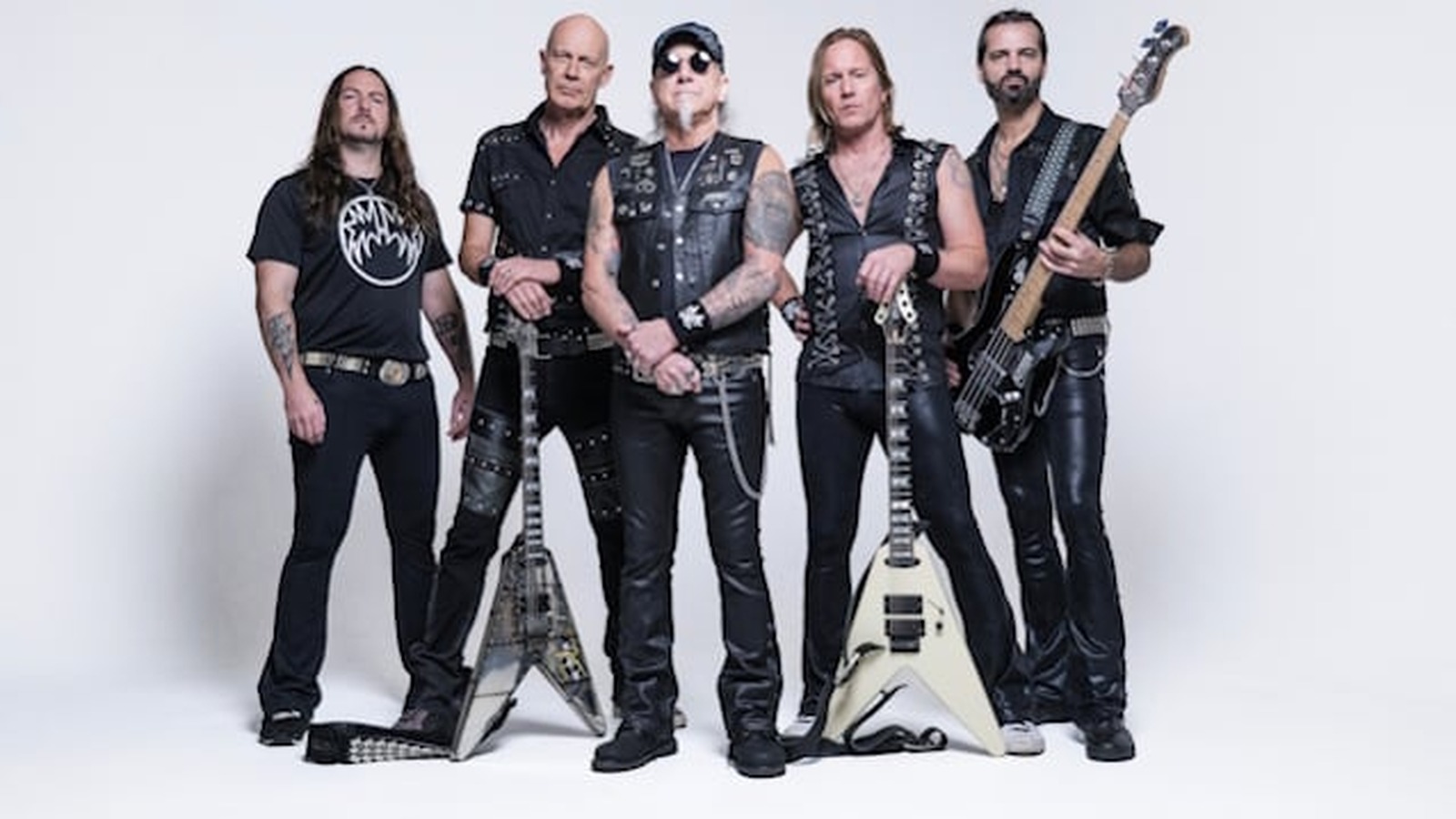
Accept did not choose the modest anniversary route. For a 50-year marker, that is probably the right call. “Teutonic Titans 1976–2026” is not being positioned as a tidy retrospective or a polite reissue. It is a full re-recorded guest pileup: 19 classic Accept songs, 50 outside musicians, and enough heavy metal lineage to turn the credits into an argument.
The German/American metal veterans will release “Teutonic Titans 1976–2026” on September 4 through Napalm Records. The album revisits material from the band's formative era, running from “I'm A Rebel” through “Eat The Heat,” with Mark Tornillo and Wolf Hoffmann anchoring the project while guests rotate through vocals, guitars, bass and drums.
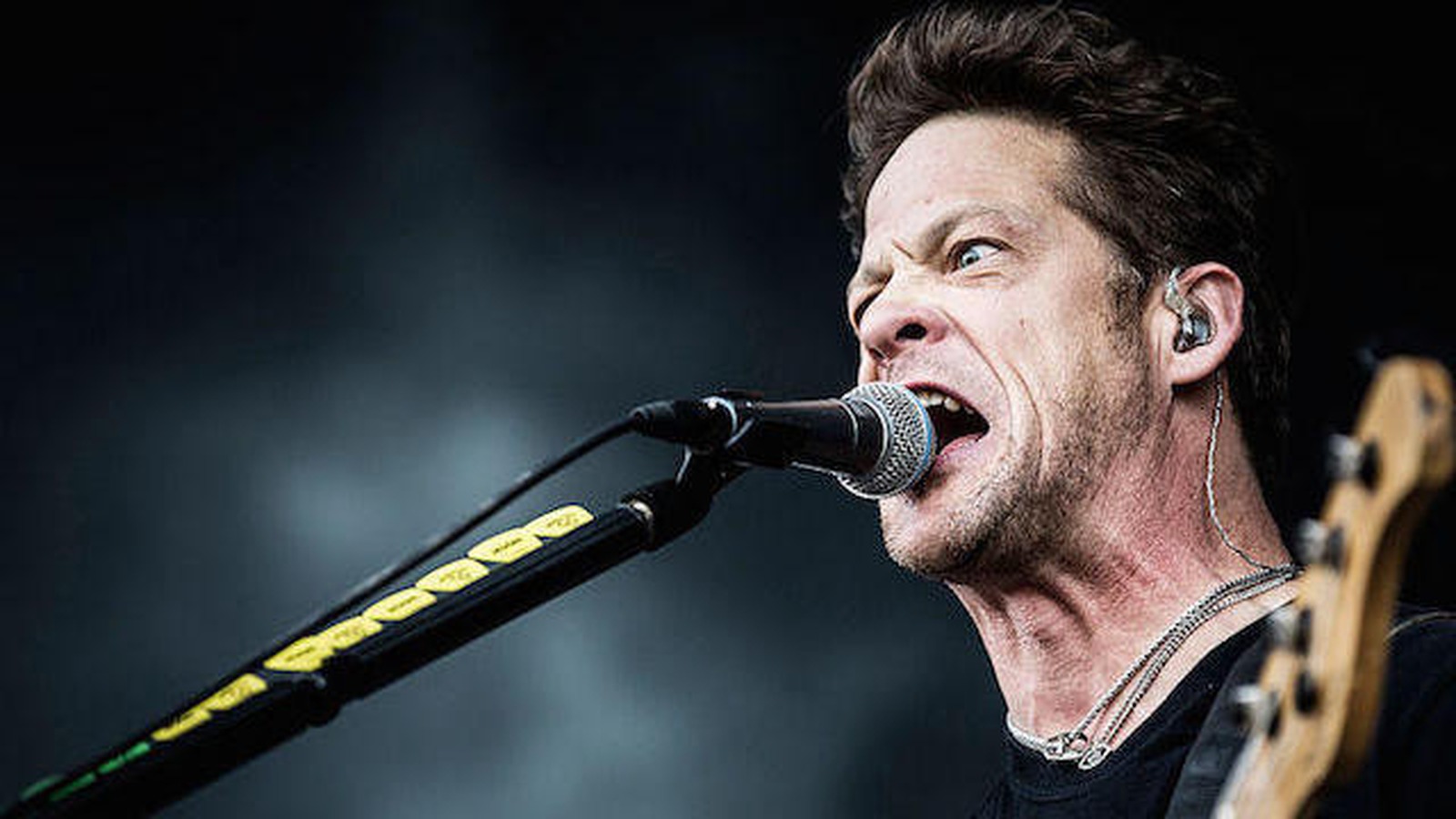
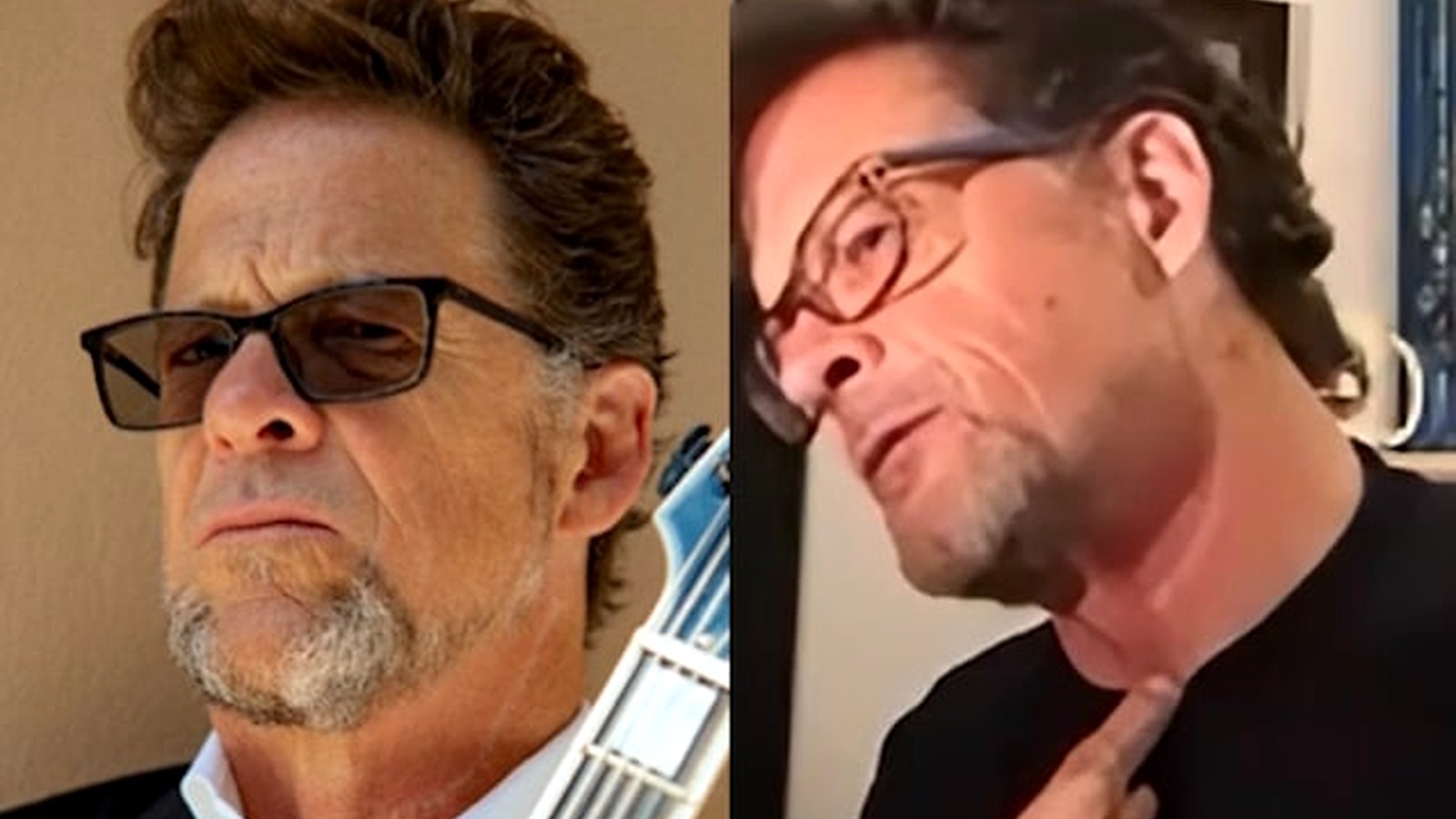
The names are the hook, but the song choices are the real test. “Fast As A Shark” gets Philip Anselmo, Kirk Hammett and Mikkey Dee. “Balls To The Wall” gets Rob Halford and Matthias Jabs. Tobias Forge appears on “Save Us” with Ray Luzier. “Love Child” brings in Billy Corgan and David Ellefson. Other guests include K.K. Downing, Bobby “Blitz” Ellsworth, Hansi Kürsch, Chris Jericho, Ralf Scheepers, Billy Sheehan, Ola Englund and Jeff Loomis.
Teutonic Titans 1976–2026 Tracklist
- Fast As A Shark
- Balls To The Wall
- Aiming High
- Run If You Can
- Hellhammer
- Metal Heart
- Losers And Winners
- Save Us
- Up To The Limit
- Wrong Is Right
- Starlight
- Fight It Back
- Love Child
- Breaker
- Demon's Night
- T.V. War
- London Leatherboys
- Monsterman
- Restless And Wild
Wolf Hoffmann described the record as a way to bring peers, friends and inspirations into the same room around Accept's catalog. That is the right language for a project like this. It cannot just be “famous person sings old song.” Accept's best material is too blunt and physical for museum treatment. The riffs need weight. The guests need to serve the songs, not decorate them.
Why This One Has Pressure On It
There is an obvious danger in all-star anniversary records: too many names, not enough identity. Accept have a better shot than most because their catalog is built on hard angles. “Fast As A Shark,” “Balls To The Wall” and “Metal Heart” are not fragile songs. They can take outside fingerprints without collapsing.
The Hammett and Anselmo pairing on “Fast As A Shark” will grab the fastest attention because it crosses thrash, groove metal and classic German steel in one track. The Halford appearance on “Balls To The Wall” is the one with the cleanest legacy logic. Metal Mantra has already been following Priest's own 50-year conversations through the Sad Wings of Destiny anniversary cycle and the band's new album writing activity.
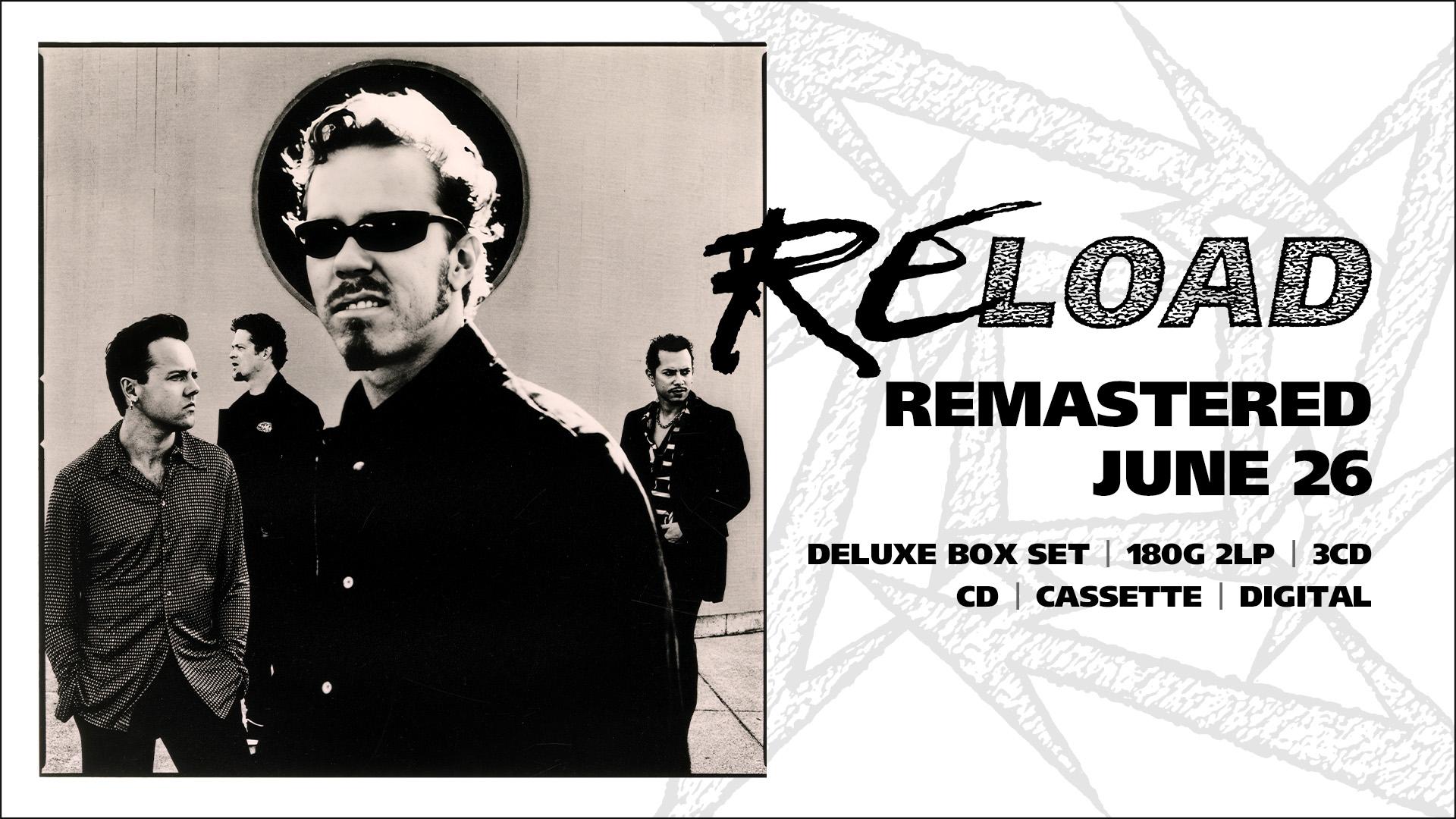
Kirk Hammett's involvement also lands during another busy Metallica archival stretch, including the recently announced Reload remastered box set and the band's expanding Sphere run. That broader context matters. Legacy metal is not slowing down in 2026; it is being repackaged, reworked, toured and argued over in public.
Accept's job is to make this feel less like a guest-list trophy case and more like a fight for the songs. If the production lets the riffs breathe and the performances keep some dirt under the nails, “Teutonic Titans” could be more than anniversary content. If it gets too polished, the concept will swallow the record whole.
Pre-orders are expected through Napalm Records and major retailers. For readers tracking physical editions, keep an eye on Amazon's Accept Teutonic Titans listings as release options roll out.
The best outcome is not a spotless modern remake of old material. Accept already have the originals. The reason to care is hearing these songs get roughed up by musicians who grew out of the same metal bloodstream. If “Teutonic Titans” remembers that, the anniversary tag becomes secondary.
There is also a useful split in the guest list. Some names make immediate stylistic sense, like Halford and Downing circling classic metal architecture. Others, like Corgan and Jericho, make the record stranger on purpose. That tension could be the thing that saves the album from feeling too ceremonial.
For younger listeners who know Accept mostly as a logo on old festival posters, the album doubles as a map. Start with the originals, then see whether the guests expose something new in the machinery.