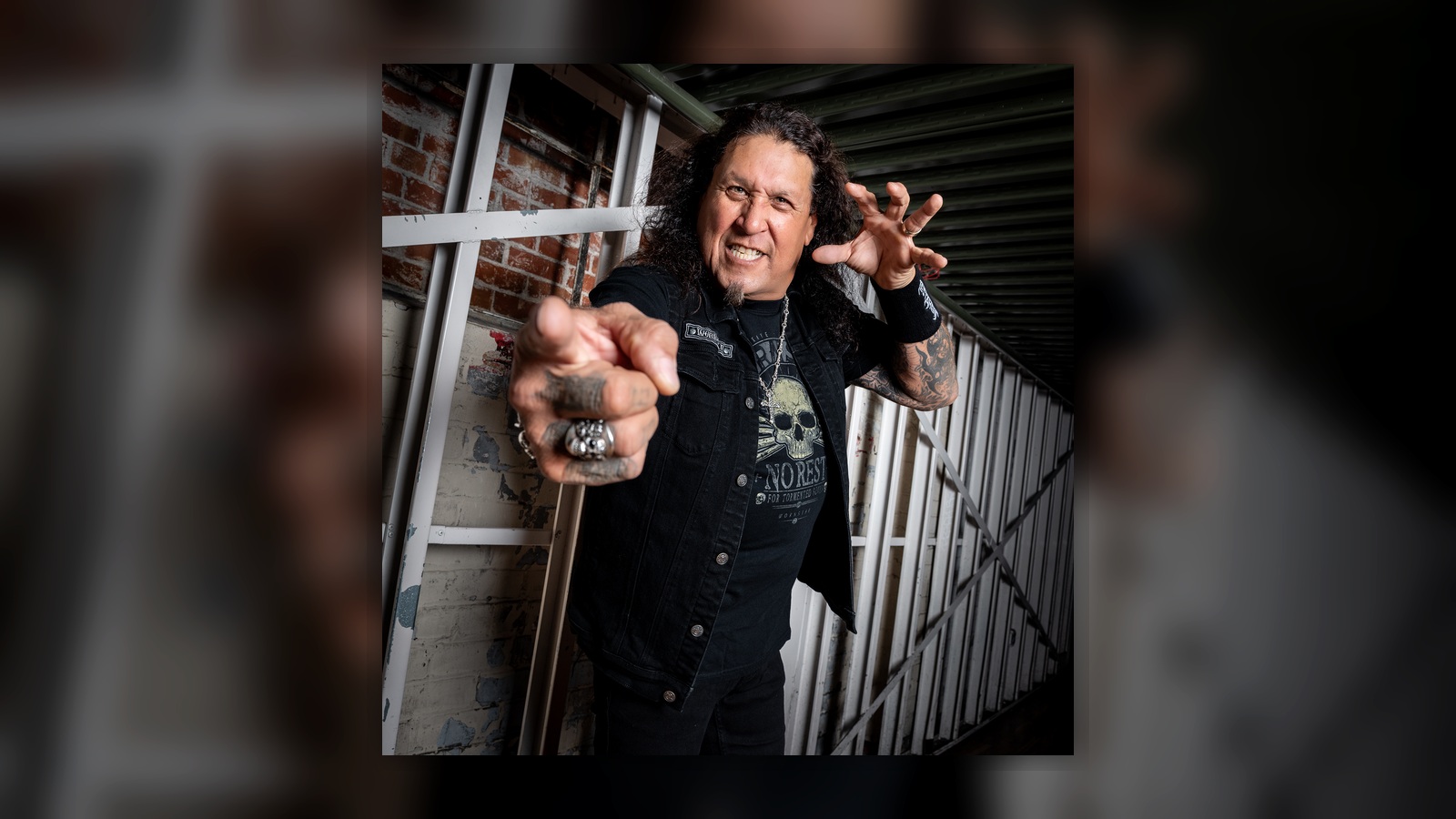
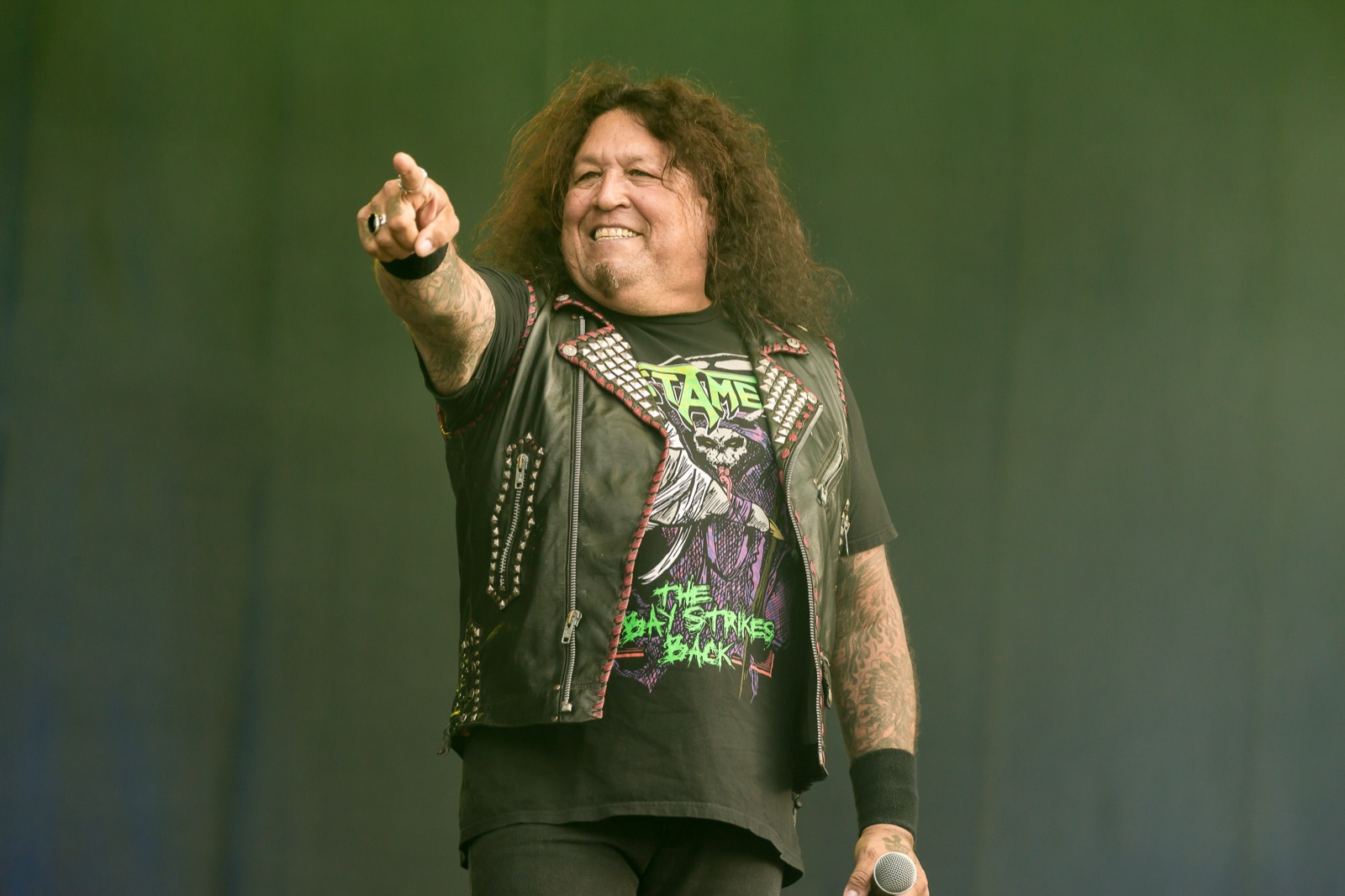
Chuck Billy has enough war stories to fill the usual metal memoir twice over. That is not why Holding My Breath: The Two Testaments of Chuck Billy matters.
The hook is sharper than backstage chaos and old thrash mythology: Billy is finally putting the full arc on paper — Bay Area violence, family roots, Testament's climb, cancer at 38, and the kind of community response that made Thrash of the Titans more than a benefit gig. For Metal Mantra, that lands close to home. Testament was this editor’s first concert in 1989, at 12 years old — the night thrash stopped being something on a stereo and became something permanent. This is Bay Area history from one of the voices that carried it.
The memoir is scheduled for November 10, 2026, through Permuted Press. It is co-written with Dave Erickson, with a foreword by Rob Halford and an afterword by Randy Blythe. That framing is not subtle. Halford and Blythe are not ornamental names here; they put Billy's story in the lineage of metal vocalists who turned pain, pressure, and endurance into something bigger than persona.
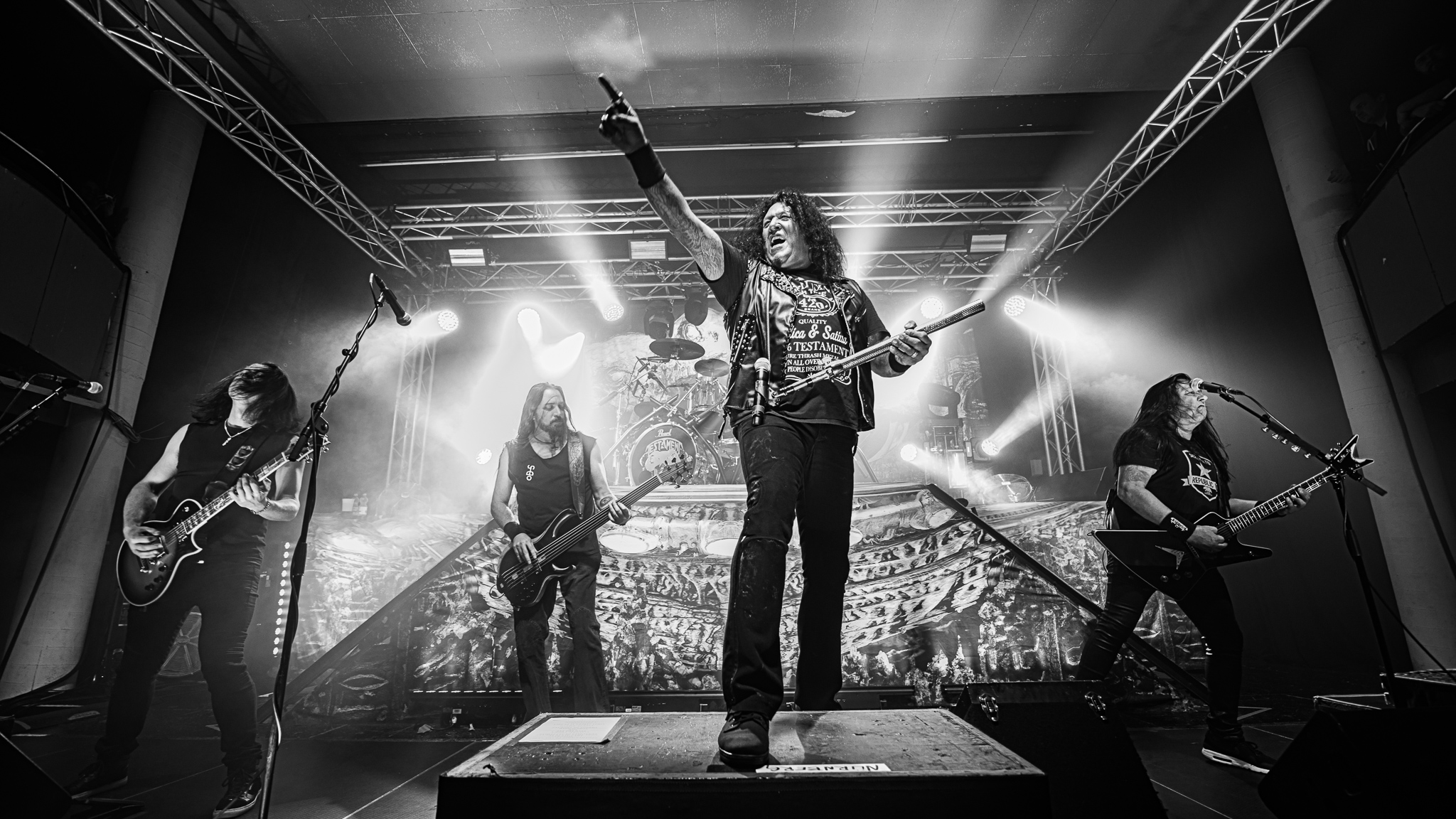
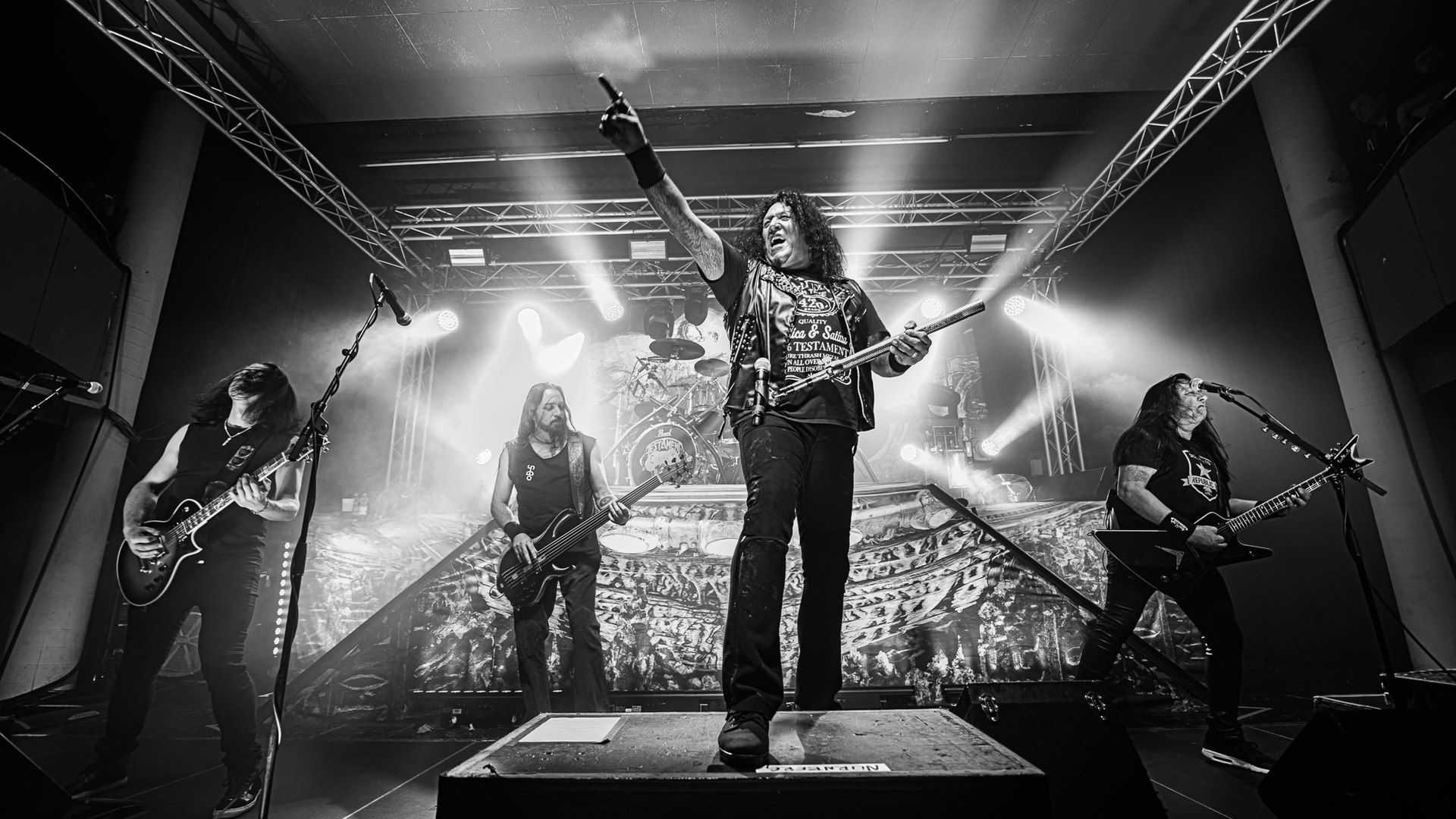
There is also a timing edge. Testament are not sitting in museum-glass mode while Billy tells the old stories. The band just came through a strong modern cycle, and Billy has been openly talking about more music ahead. A memoir landing inside that motion reads differently than a late-career archive dump. It is a living document from a singer still standing in front of the same storm that built him.
What Chuck Billy's Memoir Covers
According to the official book rollout, Holding My Breath is built as two interlocking testaments. The "Old Testament" side digs into Billy's early life, his Native American and Mexican-American family roots, the rise of Testament, and the wild brotherhood of Bay Area thrash when the scene still felt dangerous because it was being built in real time.
The "New Testament" half moves into the part of Billy's story that fans know in outline but have rarely heard with this level of focus: the cancer diagnosis that hit him at 38, the treatments, the spiritual weight of that fight, and the metal community rallying around him when the future was not guaranteed.
Billy's own description cuts through the promo language: "This book is about two versions of me that are really just one story. The guy who thought he was invincible, and the guy who learned how fragile life really is."
That is the right center of gravity. Testament's catalog is full of force, but Billy's life outside the records has always carried another layer — cultural identity, survival, and the refusal to let the machine or the illness define the ending.
Why Thrash of the Titans Still Matters
For younger fans, Thrash of the Titans can sound like one more legendary bill people name-drop after two beers. It was bigger than that. The 2001 benefit brought together major pieces of the Bay Area and wider thrash world when Billy and Death's Chuck Schuldiner were both facing cancer. It was a scene closing ranks for its own.
That moment still echoes through how Testament is talked about now. Billy did not just return; he returned with the authority of someone who had been forced to prove the word survival in public. When he later folded Native imagery and themes into Testament's work, especially around songs like "Native Blood," it did not feel like branding. It felt like reclamation.
Metal has plenty of memoirs about excess. The better ones admit what the excess cost. If Holding My Breath follows the path its announcement lays out, the value will be in Billy connecting those costs to the records, the tours, the family, and the community that kept him moving.
Release Date and Pre-Order Details
Holding My Breath: The Two Testaments of Chuck Billy is due November 10, 2026. The official book site lists hardcover, paperback, ebook, and audiobook formats, along with signed copies through Premiere Collectibles.
For the cleanest affiliate route, readers can pre-order Chuck Billy's Holding My Breath on Amazon. Testament fans who have been following Billy's recent run should also revisit our coverage of his long-term view on Testament's future and the band's already-moving next-album plans for 2027.
That context makes the memoir feel less like a capstone and more like a checkpoint. Billy is not telling this story from a rocking chair. Testament is still active, still writing, still connected to the Bay Area spine that made them matter in the first place.
A lot of veteran metal books arrive once the fire is gone. This one is arriving while the voice is still in the room.