Scottish Metal Band Faces Naming Clash With Simon Cowell’s New Pop Project More metal news: News hub.
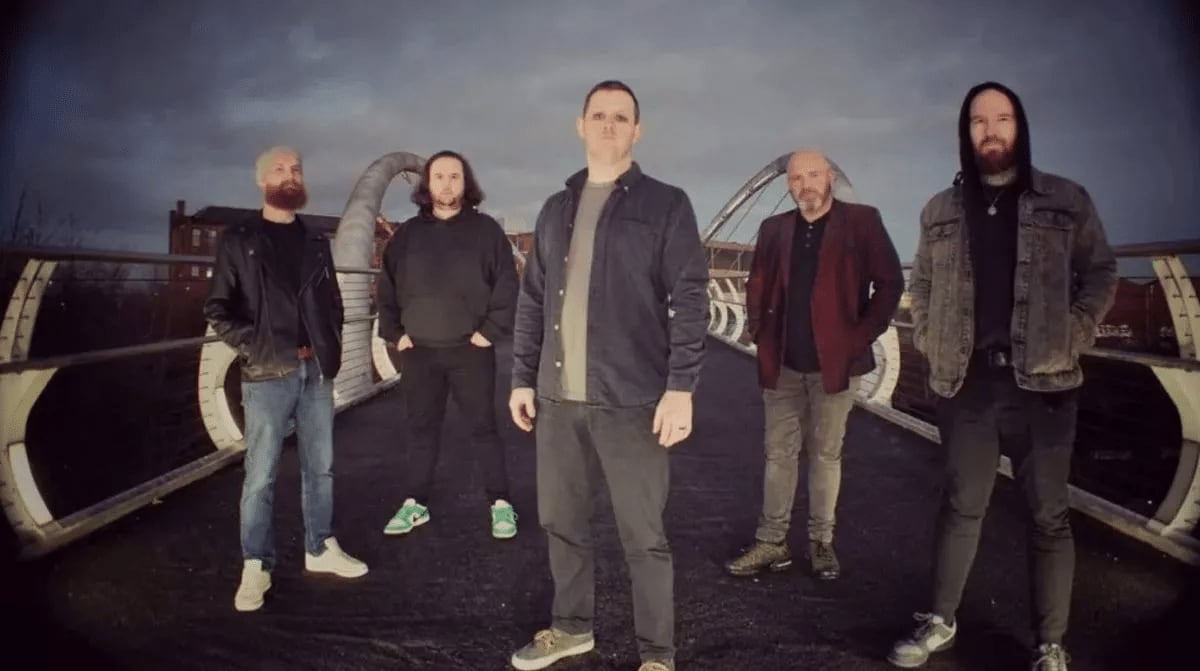
December Tenth—the underground Scottish metal outfit that’s earned its reputation one heavy riff at a time—has been thrust into an unexpected legal tangle that’s threatening to drown out its hard‑earned online presence.
The conflict began when Simon Cowell’s latest pop venture, December 10, dropped its debut. The name’s similarity to the band’s own has already begun to skew search engine results, streaming playlists, and social‑media feeds, giving the high‑profile pop act an unintended advantage over the seasoned metalers.
It’s not a case of genre confusion. Fans can’t mistake a Scottish metal band for a glossy, reality‑TV‑backed pop release. The issue is far more brutal: algorithms prioritize volume and capital over the legacy of an underground act. When two entities share a name, the one with the deepest pockets and the biggest marketing machine will dominate the digital space—leaving the smaller band fighting for every click.
For a band that has built its following through relentless touring, gritty releases, and a loyal community, a name isn’t just a label—it’s the anchor for flyers, merch, release pages, and every touchpoint that connects them to their audience. When that anchor shifts, everything built around it feels the tug.
The scene has seen similar clashes before, and the pattern is always the same. Independent artists scramble to correct misdirected streams and search results, while the larger entity drives forward with minimal friction. The imbalance is stark: most small acts lack the legal resources to preemptively secure their brand, and by the time a dispute surfaces, the damage is already done.
December Tenth has been a fixture in the metal underground for years, carving out a distinct identity through self‑released material, relentless touring, and unwavering scene loyalty. The sudden emergence of Cowell’s December 10 threatens to blur that identity across streaming platforms, search engines, and social feeds.
The metal community has taken notice, and while the pop project hasn’t officially addressed the confusion, the stakes are clear: either the band’s name remains meaningful to its fanbase, or it gets lost in the noise of a pop brand that can afford to dominate.
Whether the dispute resolves quietly or escalates, this episode underscores a painful reality. The music industry, which often touts creativity, can easily bulldoze smaller voices. For underground metal, the battle isn’t just about grabbing attention—it’s about staying visible, staying alive.
More Metal Mantra: Rundowns | Metal Tours