If you’ve ever watched a ticket go from “$79.50” to “are you kidding me?” in about three clicks, you already know why this matters.
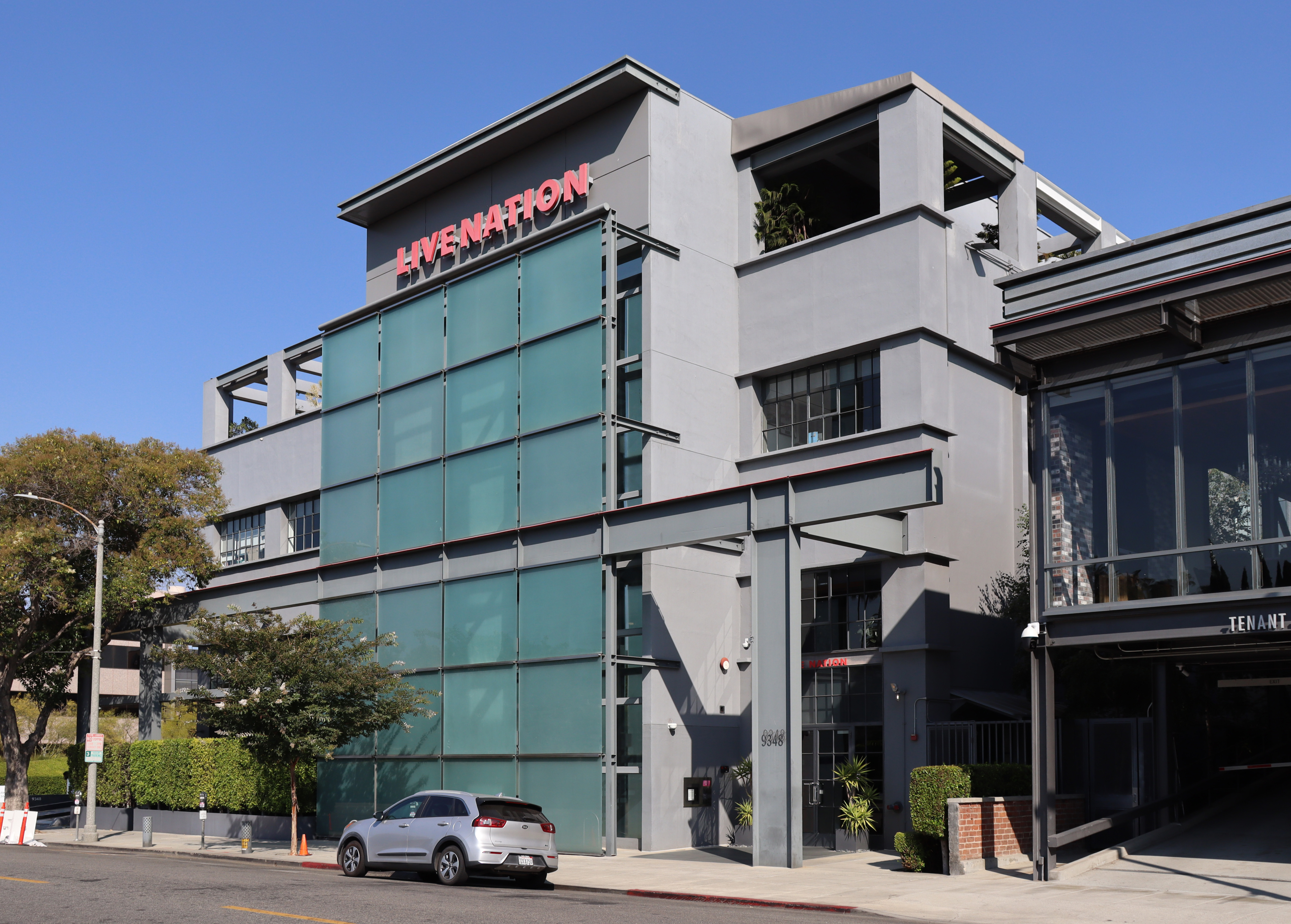
A federal jury in Manhattan has found Live Nation Entertainment and its ticketing arm Ticketmaster illegally maintained monopoly power in the ticketing market. The headline is a gut punch for the live business as we know it. The reality is messier, and the part fans actually care about, cheaper tickets and fewer junk fees, is not guaranteed to show up quickly.
Here’s what the verdict said, what comes next, and the two outcomes that would actually change the day-to-day experience for metal fans.
What the jury found
According to reporting on the case, jurors concluded that Live Nation and Ticketmaster operated as an illegal monopoly, and that the conduct harmed consumers. In the damages phase, the jury found Ticketmaster overcharged concertgoers in the plaintiff states by $1.72 per ticket at “major concert venues,” tied to the alleged anticompetitive behavior.
Live Nation has said the verdict is not final, pointed to pending motions (including a motion aimed at striking damages expert testimony), and said it expects to appeal any unfavorable rulings that survive those motions.
That matters because this is not a “pack it up, break them up tomorrow” situation. Antitrust cases move like doom riffs.
Why this hits metal fans hardest
Metal and hard rock touring is a volume business. Bands eat what they kill, and most of the ecosystem, from mid-level support acts to crew rates, is downstream of ticket revenue. When one company sits on the levers (promotion, venues, ticketing), you don’t just get higher fees. You get fewer options.
Venue operators have long argued they get pushed into exclusive ticketing arrangements. Artists and managers have argued that routing becomes a negotiation with one gatekeeper, not a competitive market. Fans get the most obvious result: the fees, the dynamic pricing whiplash, and the resale chaos.
If you want the quick context on how this stuff has played out in public, start with our prior coverage:
What happens next (and why prices might not drop fast)
The next big chapter is remedies. The jury verdict tees up a separate phase where a judge determines what changes are warranted. That range can run from conduct rules (fee caps, contract limits, forced access for competitors) to structural changes (a breakup).
But even a hard remedy does not instantly rewrite the live market.
- If the court orders a breakup, it is likely to be paused during appeals.
- If the court orders conduct changes, Live Nation can adjust pricing elsewhere (parking, VIP bundling, venue surcharges) to protect margins.
- Even if competition is restored, it can take time for rivals to scale up, sign venues, and build a ticketing experience that is actually better.
In other words, the verdict is a legal win. Whether it becomes a fan win depends on what the remedy forces, and what the market does with the opening.
The two remedies that would actually change your checkout screen
There are a lot of wonky options, but two outcomes would be felt immediately by normal humans.
1) Ending exclusivity, for real
If venues can choose competing ticketing platforms without fearing they’ll lose tours, that is where pressure builds. More vendors means more negotiation. More negotiation means the “service fee” isn’t just a number we accept like weather.
Even without a breakup, the court can push the market toward open bidding. That is the kind of change that makes it harder to hide bad behavior behind “industry standard.”
2) True all-in pricing and fee transparency
If the only number that mattered was the final number, half the outrage cycle would evaporate. A visible cap on certain fees, plus strict limits on how ticketing and venue charges are presented, would cut the bait-and-switch.
All-in pricing is a start. The real win is enforcement that makes it painful to dodge.
What Live Nation says, and what to watch
Live Nation’s public posture has been consistent: it rejects the monopoly characterization, argues the market is broader than the states claim, and says there is more competition than ever. It is also leaning on pending motions and an expected appeal.
So the watch list is simple:
- Does the judge allow the damages findings to stand?
- Do the states push for structural remedies, and how aggressive are they?
- Do we get fee and contract rules that apply across the board, or narrow fixes?
If you tour, promote, work venues, or just buy tickets like the rest of us, the remedy is the story.
One practical move for fans (right now)
This verdict won’t protect your ears. The pit still will.
If you’re hitting shows this season, do yourself a favor and stop raw-dogging 110 dB.
Get earplugs from Eargasm direct with code MANTRA10 for 10% off, or on Amazon.