The Osbourne family is not just planning another Ozzy merch wave. The new piece is digital, and it is much stranger than another shirt, box set, or anniversary campaign.
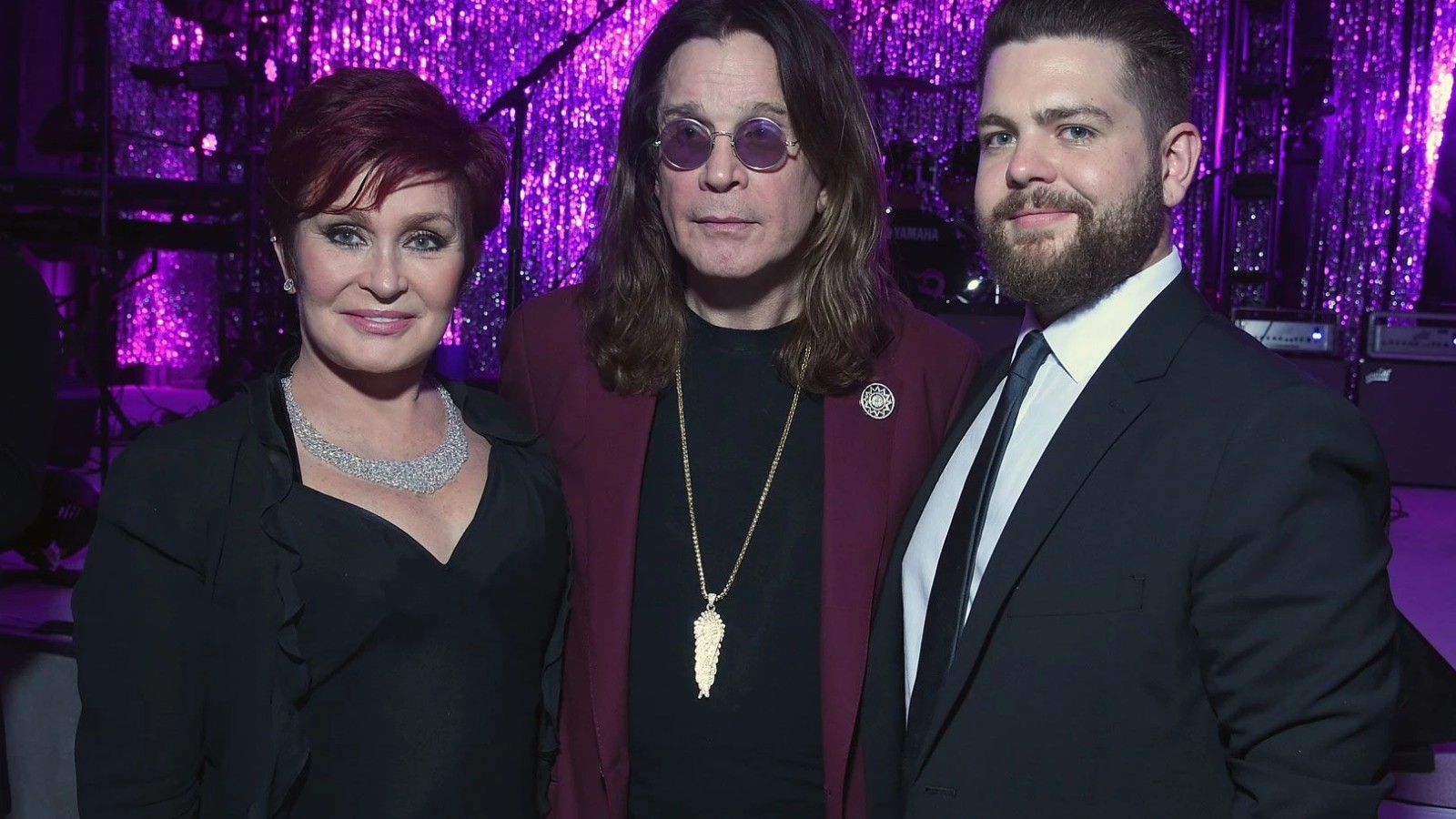
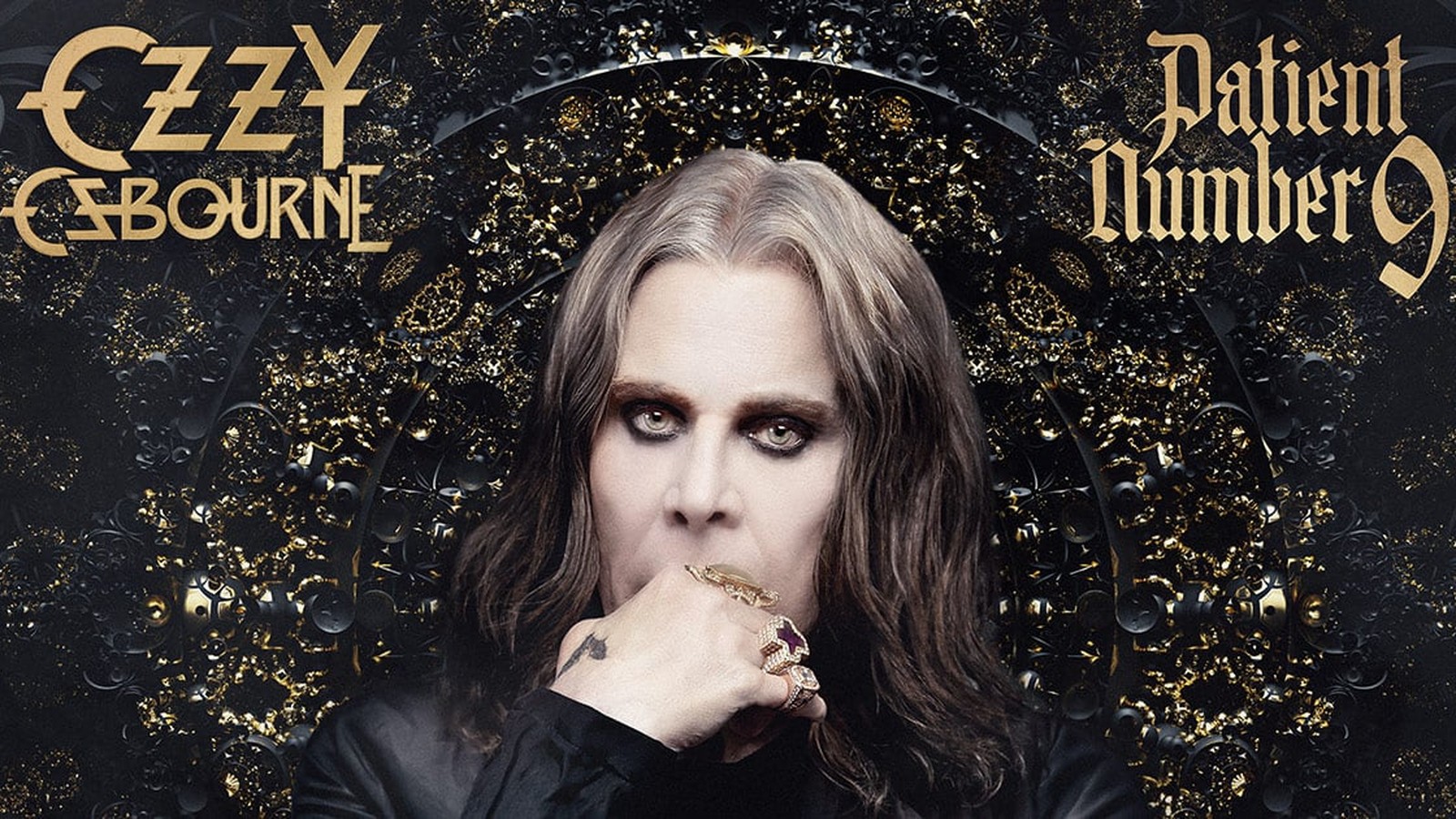
During the 2026 Licensing Expo cycle, Sharon and Jack Osbourne revealed a partnership with HYPERREAL built around Ozzy Osbourne's "digital DNA": his voice, image, and movement. The stated idea is to create an interactive digital version of Ozzy that can keep appearing in controlled experiences, with Jack saying the goal is for Ozzy to exist digitally as himself for as long as computers exist.
That is a massive statement. It is also the kind of thing heavy music needs to talk about without pretending it is just tech novelty.
What the Osbournes revealed
The HYPERREAL partnership is being framed as a way to preserve and extend Ozzy's presence with family oversight. Sharon has described a future where fans could ask Ozzy questions and hear answers in his own voice, with the project designed around what the family believes Ozzy would actually say.
That last part is the pressure point.
Digital likeness projects live or die by control. A bad version turns a human being into a puppet with familiar hair, a familiar voice, and none of the uncomfortable reality that made people care in the first place. A more careful version can become an archive tool, a fan experience, or a way to protect a legacy before outside companies flatten it into cheap imitation.
The Osbournes are clearly trying to claim that ground first.
This is not coming out of nowhere. Metal Mantra covered the setup when Sharon and Jack were booked to discuss Ozzy's legacy and brand future at Licensing Expo 2026. At that point, the focus was control of the Ozzy estate: licensing, documentaries, anniversary planning, The Osbournes turning 25, Ozzfest's return, and the broader machinery that keeps a name in circulation.
Now the sharper detail is on the board. The future of the Ozzy brand includes a digital Ozzy.
Why this feels different from normal legacy business
Rock and metal estates have always been business. Shirts, reissues, books, documentaries, figures, posters, tribute shows, and festival revivals are all part of how a legacy keeps moving. Ozzy was never outside that system. He was one of its biggest engines.
A digital avatar changes the temperature because it can simulate presence.
That is not the same as selling a classic logo. A logo sits there. A record plays what was recorded. A documentary edits what happened. A digital likeness can perform, answer, react, endorse, appear in ads, or be placed into experiences Ozzy himself never physically entered.
That does not automatically make it wrong. It does make the standard higher.
Ozzy was never a clean mascot. He was the voice of early Black Sabbath dread, a solo star with a gift for theater, a reality-TV chaos magnet, a festival builder, a survivor, a punchline, a warning, and a human being whose myth often got bigger than his body could comfortably carry. Any digital version that loses the contradiction loses the man.
Metal Mantra's farewell to the Prince of Darkness argued that Ozzy's weight in heavy music cannot be reduced to one era. That is exactly why this matters. A digital Ozzy cannot just be a bat-biting catchphrase dispenser and still claim to honor the legacy.
The family-control argument
The strongest argument for the project is family control. If Ozzy's likeness is going to be used in future digital spaces, the safest version is one shaped by the people closest to the estate, not a random tech company chasing shock value.
Sharon and Jack appear to understand that authenticity is the sell. The project is being described through language like voice, image, movement, and what Ozzy would do. That suggests the family knows fans will reject anything that feels like a hollow replica.
There is still risk. "What would Ozzy do?" is a useful guardrail, but it is not a magic shield. Fans will judge the actual output. If digital Ozzy becomes too smooth, too obedient, too available, or too brand-safe, the backlash will be immediate.
The better use would be narrow and deliberate: archival storytelling, museum-style experiences, controlled Q&A formats built from real interviews and approved material, and projects that send people back toward the records instead of replacing them with synthetic presence.
The bad use would be obvious too: ads that make Ozzy sell anything with a check attached, joke-first gimmicks, or performances that pretend a digital copy can replace the messy charge of the actual artist.
What comes next for the Ozzy brand
The digital-avatar plan sits alongside a broader licensing push. The Osbourne family brand is moving through fashion collaborations, collectibles, accessories, lifestyle products, digital opportunities, and screen projects. Ozzfest is also back in the conversation for 2027, and the family's anniversary calendar has obvious power.
For fans, that means the Ozzy name is about to get louder across more surfaces.
Some of that can be good. A serious archive, properly handled reissues, smart documentaries, and well-made collectibles can keep younger fans connected to the source. Metal loses when its central figures become dusty trivia.
But the standard has to stay high because Ozzy is not just another legacy property. Black Sabbath helped define the language of heavy metal. Ozzy's solo catalog gave that language a weird, theatrical, damaged human face. The Osbourne family brand added another layer by making private chaos public before reality TV became the default celebrity machine.
That is a lot to hand over to an avatar.
If you want the real source before the digital layer gets thicker, start with the records and books. Ozzy fans can browse Ozzy Osbourne music and biographies on Amazon.
The family is right about one thing: the Ozzy brand is not going away. The question is whether digital Ozzy becomes a careful extension of a heavy metal life, or the moment the machine starts talking in his voice.