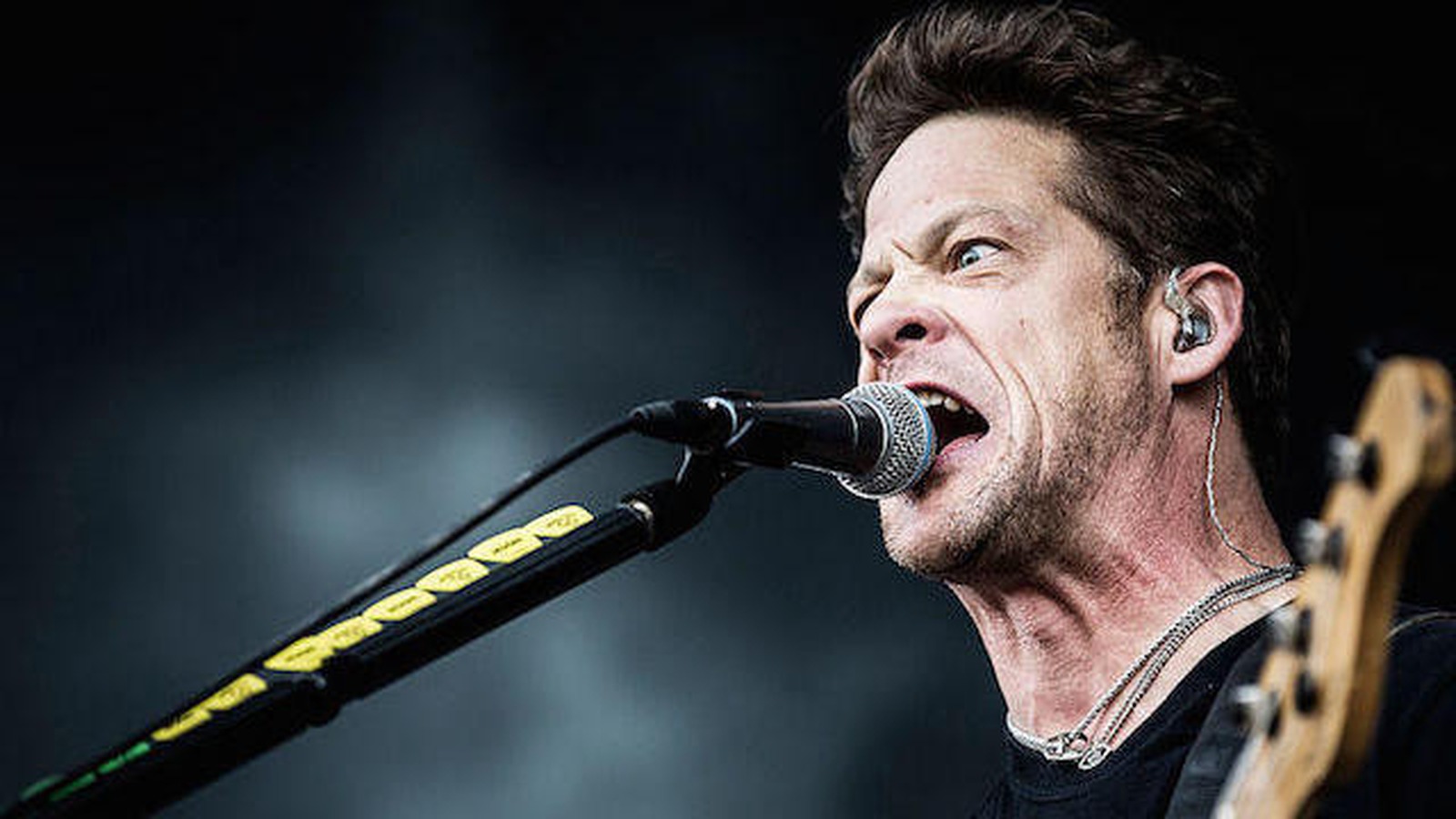
Jason Newsted just pulled one of Metallica's oldest post-Black Album arguments out of the rumor pile and put it somewhere uglier.
For years, the clean version was easy to repeat: Newsted left in 2001 because Metallica would not tolerate Echobrain, the outside project he was pushing at the time. That version had enough truth to survive. It fit the band politics. It fit the control issues. It fit everything fans already thought they knew about the late-'90s Metallica machine.
Newsted now says it was not the reason.
Speaking on Dean Delray's Let There Be Talk, the former Metallica bassist said he left because addiction had him cornered and he believed staying on the same track would kill him. His wording was not soft. He said he was a "horrible addict," that he was "way up against" himself, and that if he did not get help, he was "gonna die."
That is a different story than side-project tension. It is not cleaner. It is heavier.
Jason Newsted Says Echobrain Was Not the Real Exit Point
Newsted did not erase Echobrain from the timeline. He acknowledged that the project had reached a more serious level than many of the other things he had going at The Chophouse, and that it became part of the conversation around his exit. But he pushed back on the idea that it explains why he walked away from the biggest metal band on earth.
"It's not the reason I left Metallica," he said.
That matters because the Echobrain explanation always let everyone keep the story at arm's length. It framed the split as a creative-control problem: bassist wants outside band, main band says no, bassist leaves. Messy, but manageable.
The addiction explanation is harder to file away. Newsted says he asked for a minute. He says the answer was no. Then he made the choice in the bluntest possible terms: he would rather live than stay in Metallica.
No fan has to turn that into a cartoon verdict on James Hetfield, Lars Ulrich, Kirk Hammett or Newsted himself. The early-2000s Metallica camp was already a pressure cooker, and the public version of that period has been picked apart for decades. But this detail changes the weight of the exit. It turns a band-politics story into a survival story.
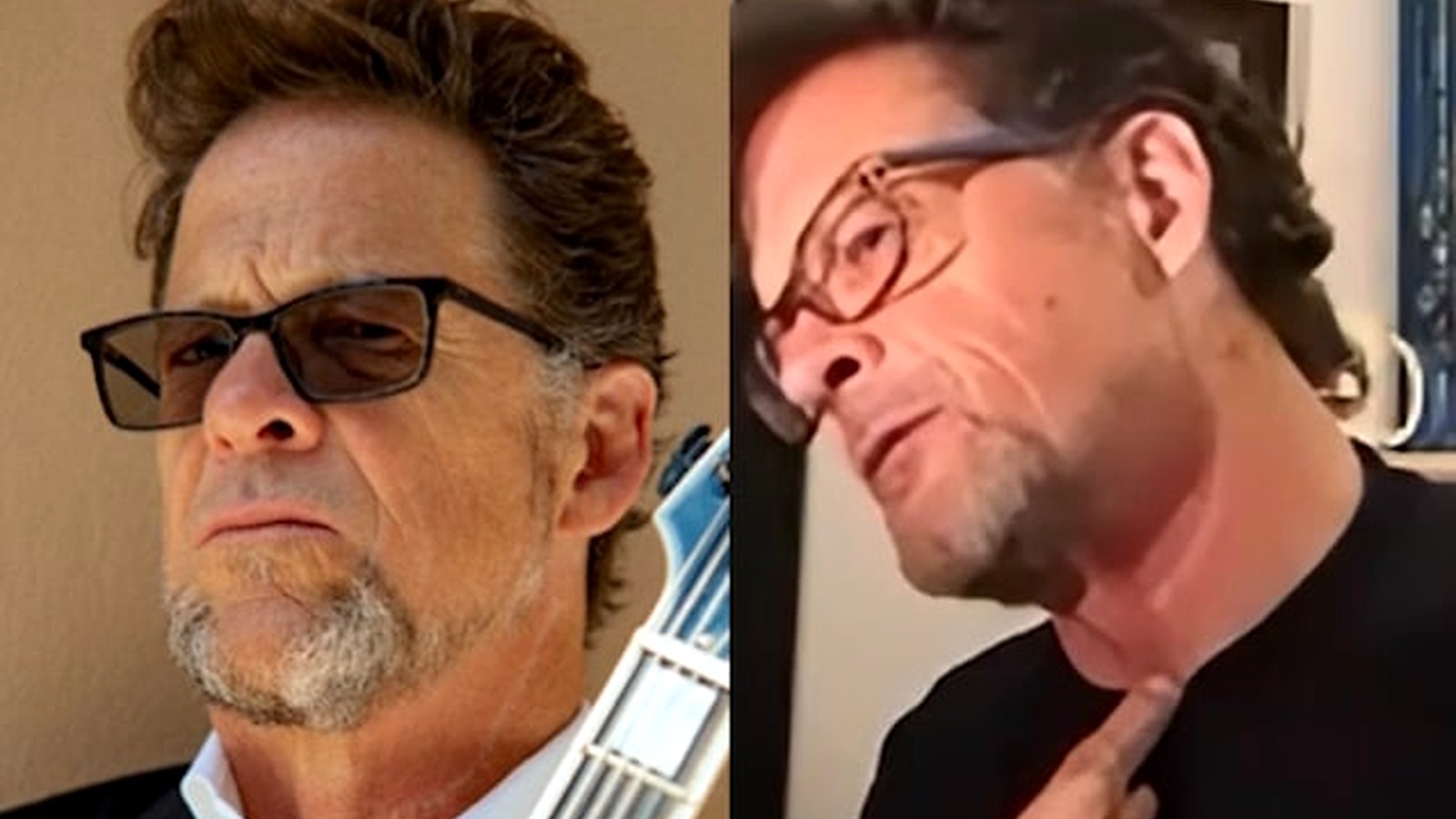
Metal Mantra readers have already seen Newsted talking more openly about his body and his limits after his recent throat cancer free-and-clear update. Put that next to this new addiction admission and the pattern is obvious: Newsted is not polishing legacy. He is naming the damage.
Why This Hits Different in 2026
Newsted's Metallica years were never passive. He joined after Cliff Burton's death, played through the band's commercial explosion, took the hits from fans who could not separate grief from replacement, and still threw himself into the job with full-body commitment. His argument now is that commitment was not the issue.
He said he wore the shirt every night, represented the band every night, met the people, flew the colors, and was usually the first one in and last one out. That sounds less like a man defending ego and more like someone still angry that loyalty was questioned when he asked for help.
There is a cruel metal logic buried in that. The genre loves endurance. So do giant bands. Tour through it. Drink through it. Work through it. Do not blink. That mythology has produced some legendary records and plenty of wreckage.
Newsted's new comments land because they cut across that old bargain. He is saying the machine kept moving, and he decided he could not keep feeding himself into it.
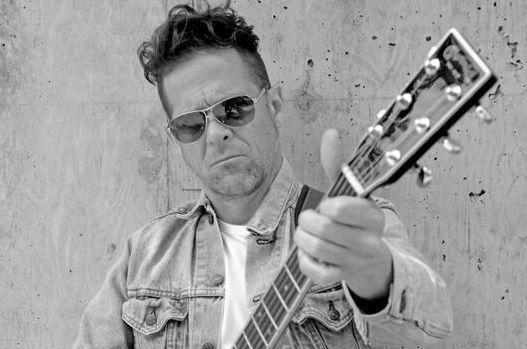
The timing also makes the story sharper. Newsted is not disappearing into grievance. He is active again, with The Chophouse Band dates on the calendar and a cleaner public headspace around what he can actually handle now. We covered the practical side of that run in our Jason Newsted Chophouse Band 2026 tour dates breakdown, but this new interview gives the comeback a harder backstory. It is not nostalgia tourism. It is a man deciding what kind of work he can survive.
Fans looking for those shows can start with Jason Newsted ticket searches on Ticketmaster. That affiliate link fits the current story because the tour is where all of this becomes visible: not in another documentary argument, but in a room where Newsted chooses the terms.
The Old Metallica Wound Gets Less Neat
Metallica's 2001 rupture has always been one of the band's defining modern fractures. Newsted leaves. Some Kind of Monster captures the aftermath. Robert Trujillo eventually enters. The band keeps moving. Fans argue forever.
This does not rewrite all of that. It does remove one comfortable shortcut.
If Newsted says Echobrain was not the real reason, then the old version was too tidy. If addiction was the real emergency, then the real question was never whether a bassist should have been allowed a side project. The question was whether one of metal's biggest institutions could stop long enough for a member to get his head straight.
Newsted says it could not. Or at least, it did not.
That is the part that sticks. Not because it needs to become another round of Metallica blame theater, but because it makes the human cost harder to dodge. Metal fans know the records. They know the tour shirts. They know the arguments. Sometimes the missing piece is the simplest one: somebody inside the machine was trying not to die.
For broader Metallica context, our Levi's Stadium M72 review shows the band still operating at absurd scale in the modern era. Newsted's story is the other side of that scale. The stage gets bigger. The person inside it still has to survive.