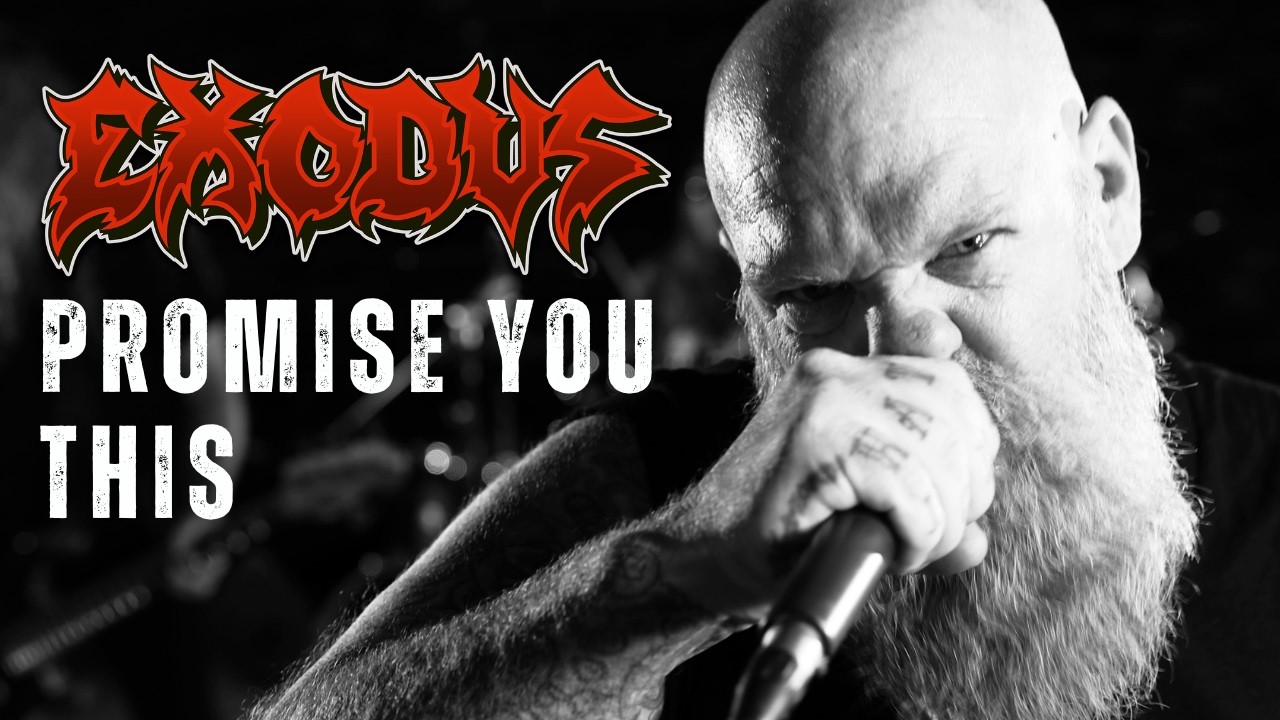
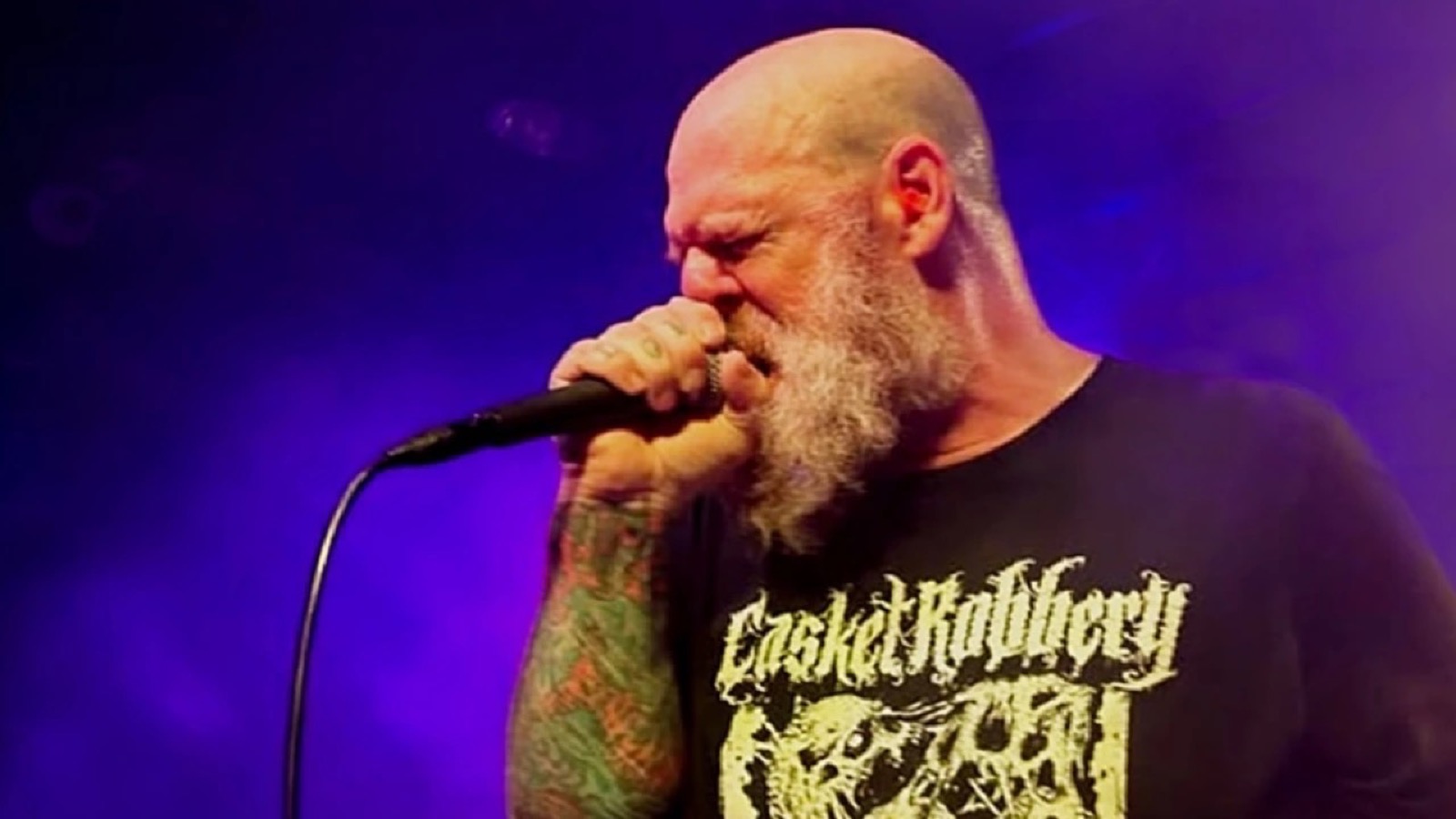
Rob Dukes is back in Exodus, and he’s not doing the bitter-ex frontman routine about how it happened.
In a recent interview, Dukes looked back at being fired from the Bay Area thrash institution in 2014 and said he’s come to see it as “a blessing in disguise.” Not because it didn’t hurt, he admitted he was angry for about a year, but because it forced him to build a whole other life outside the band. And when the call came to return, he had enough distance to say yes without dragging old poison back into the room.
“I was pretty angry for about a year”
Dukes didn’t sugarcoat the immediate fallout. He said he spent roughly a year mad after the split, but he didn’t want to live there forever.
According to Dukes, the band reached out about a year after he was fired and the conversation slowly reopened. He eventually went to hang with the guys and said everything was good.
That matters because a lot of reunion stories are sold as destiny. This one reads more like adult repair work. Time, a few talks, and letting the temperature drop before anybody tried to pretend it never happened.
How the comeback call happened
When Exodus called Dukes about coming back, he says it wasn’t some dramatic negotiation. They asked what he was doing, he told them he was living life, and they asked if he’d be willing to return.
Dukes didn’t jump immediately. He asked for a day, talked it through with his family and the people he needed to talk to, and called back the next day with a yes.
He called back the next day: he was in.
And when he actually showed up again, he said there wasn’t any weirdness.
“I lived with these guys for 10 years,” he said, describing it like those friendships where you can go months without talking and it still feels like yesterday when you reconnect.
The part people forget: Dukes built a whole other life
The biggest shift wasn’t musical. It was identity.
Dukes said that during his time away from Exodus he became a welder and fabricator, getting deep into building and restoring cars. And he didn’t frame it as a side hobby, he framed it like an obsession that became a second career.
“As soon as I go home [from tour], I go right back into it. I got obsessed with it,” he said.
Then came the line that set the whole conversation on fire.
“Getting fired, I’ve come to realize, was like a blessing in disguise,” Dukes said.
Because the time away pushed him to level up. He invested in tools and equipment, took welding classes, worked with people better than him, and watched it snowball into real skill and real purpose.
For a lot of musicians, the fear is that if the band stops, you stop. Dukes is basically saying the opposite. The band stopping forced him to become useful in a different way, and that made the return hit harder when it came full circle.
Why this return feels different
Dukes admitted it was a little nerve-racking getting back behind the mic because he wasn’t doing it regularly anymore. But he also said once he was there, it felt like he’d been there the day before.
That’s the best-case version of this kind of comeback. No public apology tour. No “we were wrong.” Just the reality that they know each other like brothers, and the job still makes sense.
Context: the albums, the eras, the revolving chair
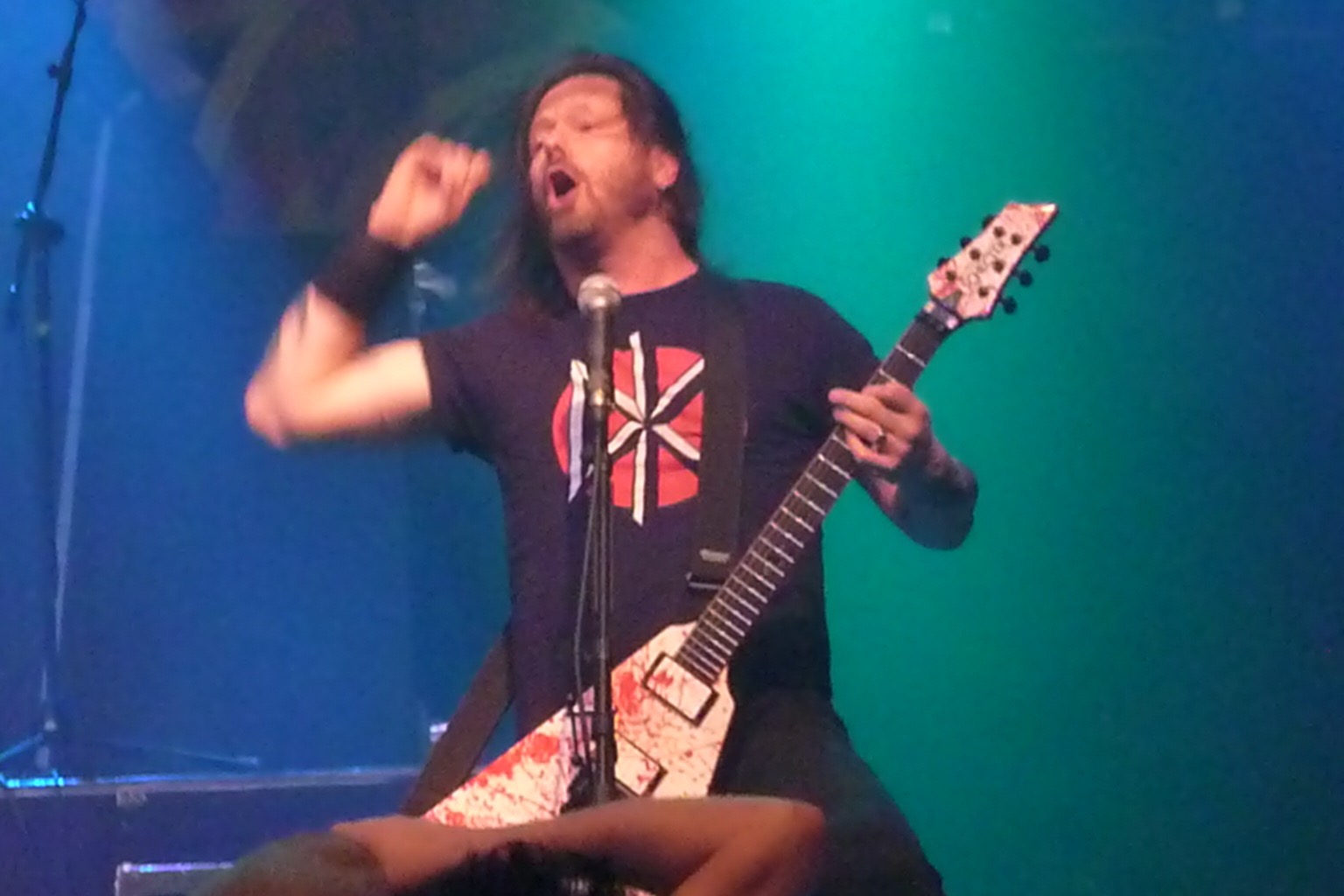
Dukes joined Exodus in January 2005 as the replacement for Steve “Zetro” Souza and appeared on four studio releases:
- Shovel Headed Kill Machine (2005)
- The Atrocity Exhibition… Exhibit A (2007)
- Let There Be Blood (2008, re-recording of Bonded By Blood)
- Exhibit B: The Human Condition (2010)
He was out in 2014 when Souza returned, and Dukes has said in the past that he was unhappy near the end of his first run.
The irony is that the “Exodus singer” job has never been a lifetime appointment. It’s a role that keeps coming back around as the band’s needs change.
What’s next (and what to watch)
Dukes rejoined Exodus in January 2025, ending an 11-year gap, and he says he’s proud of what he’s doing now.
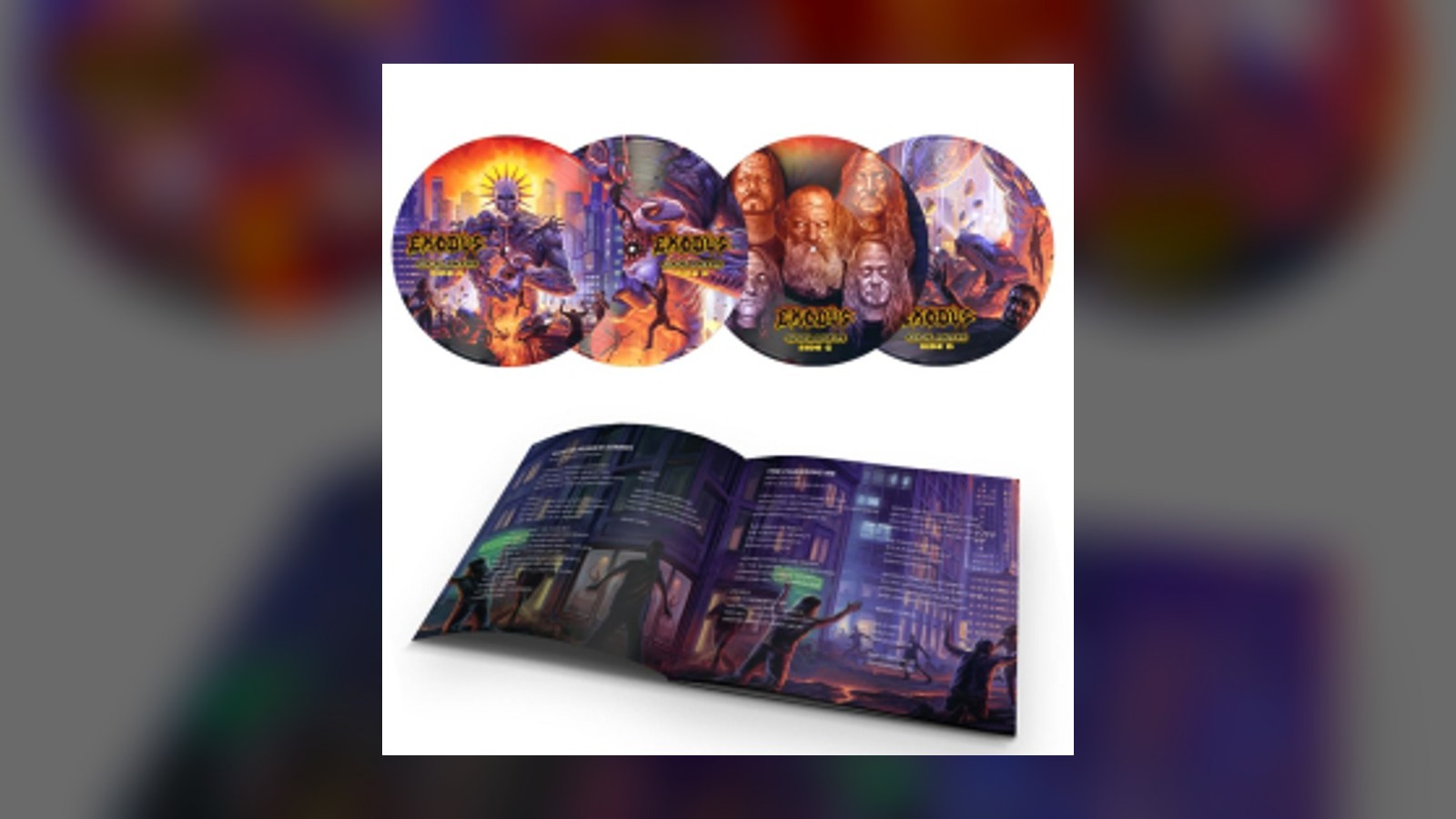
He also spoke positively about working on the band’s latest album, Goliath, saying it’s the best thing he’s ever done, and describing the process of getting tracks, writing lyrics, and basically living inside the material until it clicked.
If you’ve followed Exodus for any length of time, you know the music is one piece. The other piece is whether the band chemistry stays stable long enough to let a lineup actually build momentum.
Right now, Dukes is talking like a guy who’s not trying to win the argument. He’s trying to do the work.
Related reading