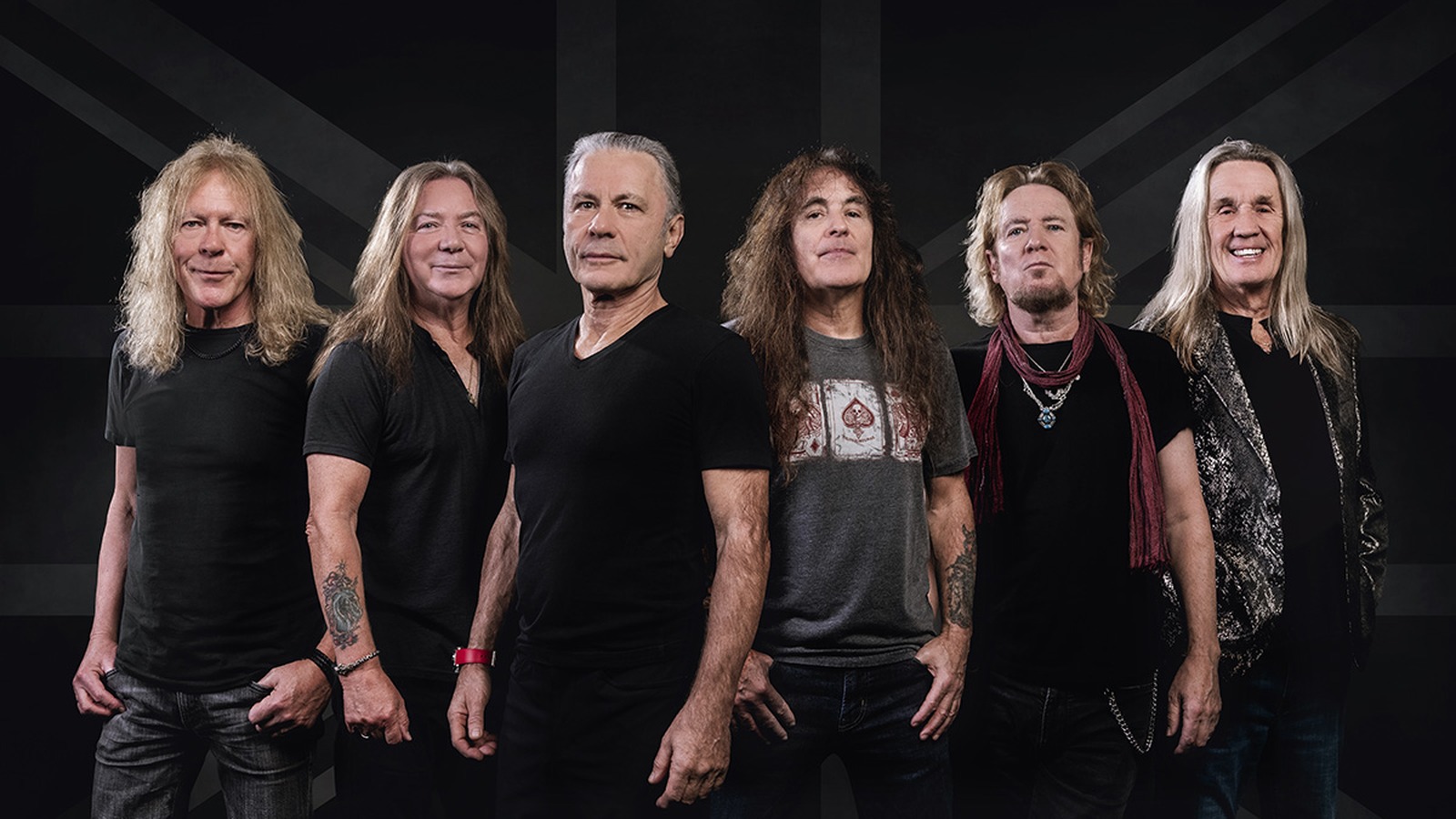
Bruce Dickinson could have given the safe arena-band answer. Costs are up. Trucks are expensive. Crew is expensive. Staging is expensive. Everyone understands the bill is ugly.
Instead, he aimed at the part fans actually feel: Iron Maiden do not want the front of the stage turning into a rich-person viewing pen.
That is the line. Not "we love the fans." Not some polished speech about community. Dickinson said Maiden do not want "a bunch of very rich people standing in front of the stage," because the people who keep this band alive are still the diehards, the younger fans, and the lifers who scraped together ticket money before half the industry learned how to call gouging a premium experience.
For a band this big, that matters. Maiden are not pretending to be broke. They are one of the last metal bands that can still drag a full-scale production across continents and make stadiums feel like a home fixture. If they wanted to bleed the market harder, the market would probably let them.
Iron Maiden know exactly what expensive touring looks like
This is the part that makes Dickinson's comment land. Iron Maiden are not running a cheap show and lecturing everyone else from a small stage.
The current Run For Your Lives cycle is built as a 50th anniversary flex. Maiden's own announcement promised a set pulled from the first nine albums and called it their most spectacular and elaborate show ever. Rod Smallwood said the band had been working for months on a new production that would bring the songs to life harder than before.
That is not a club setup. That is stadiums, arenas, festivals, support acts, freight, crew, screens, props, Eddie, and the kind of stage machinery only a few heavy bands can still justify.
And Maiden's history goes even bigger than that. During The Book Of Souls era, the band toured with Ed Force One, a Boeing 747-400 flown by Dickinson himself. That plane was leased for the tour, not some current magic carpet Maiden still uses, but the point stands: this band knows what absurd touring logistics look like. They have literally put the circus in the sky.
So when Dickinson says ticket prices still need limits, it is not coming from a band unaware of the cost. It is coming from a band that has hauled one of metal's biggest live operations around the world and still understands that spectacle is not worth much if the real fans get priced out of the best parts of the room.
The front row should not become a luxury product
Metal has never been free. Nobody who has paid for a festival weekend, a parking pass, two shirts, and a warm beer needs a lecture on that. Big tours cost money. Good crews deserve to get paid. A show the size of Maiden does not appear out of fog and goodwill.
But there is a difference between expensive and exclusionary.
That is what Dickinson was pushing back against. When floor tickets, resale markups, dynamic pricing, and VIP packages turn the front of the stage into a class filter, the room changes. You can feel it. The pit gets cleaner. The phones go up. The danger goes down. The kids who should be getting their first full-force arena baptism are staring from the back, if they made it inside at all.
Maiden are too old and too important to pretend that does not matter. Their songs were not built for polite observation. They were built for sweat, bad singing, patched jackets, and thousands of regular people shouting like the roof owes them money.
That is why Dickinson's point has teeth. He is not saying every ticket will feel cheap. He is saying Iron Maiden still sees access as part of the job.
Run For Your Lives makes the issue louder
The Run For Your Lives tour is not just another lap. It is a 50th anniversary run through the band's early core, the records that made Maiden feel less like a band and more like a world you joined.
That matters because these are the shows families will travel for. Older fans are bringing kids. Newer fans are trying to see the mythology in real time before this era changes shape again. Lifers are watching the clock, especially with the band's wider 2026 plans and the looming questions around the final stretch of Maiden's touring future.
If there was ever a tour where the front rows should look like the fanbase, this is it.
The cynical version of the business says scarcity should do its work. Charge what the market can bear. Package the best spots. Let resale burn everyone else. Maiden could do some version of that and still sell the dates.
Dickinson is saying that is not the whole game. Good. Arena-level metal needs more of that pressure, not less.
Fans still need a safe ticket path
There is a practical side here too. Fans still have to buy the damn tickets somewhere, and official routes are usually the least stupid place to start before resale turns the night into a ransom note.
If you are hunting dates, check the official tour listings first, then use Iron Maiden tickets through Ticketmaster before trusting secondary-market chaos.
No one should confuse that with a promise that every seat will feel affordable. It will not. This is still modern arena touring, and modern arena touring is built to test your wallet.
But Maiden treating price as a line worth defending is still worth saying out loud. A band can build the huge show, haul the monster production, remember the Ed Force One level of logistics, and still decide the front of the stage should not belong only to people who can shrug off the damage.
That is the standard more legacy metal acts should be asked to meet.
Iron Maiden fans also have the merch lane covered: Strüng makes a bracelet inspired by "Run to the Hills" — use code Metal Mantra for 20% off.