Corey Taylor did not walk into Slipknot as an outsider looking for a safer lane. He saw the band before the world knew what it was looking at, and his memory of that first hit still explains why Slipknot did not become just another masked metal act from the late-'90s pileup.
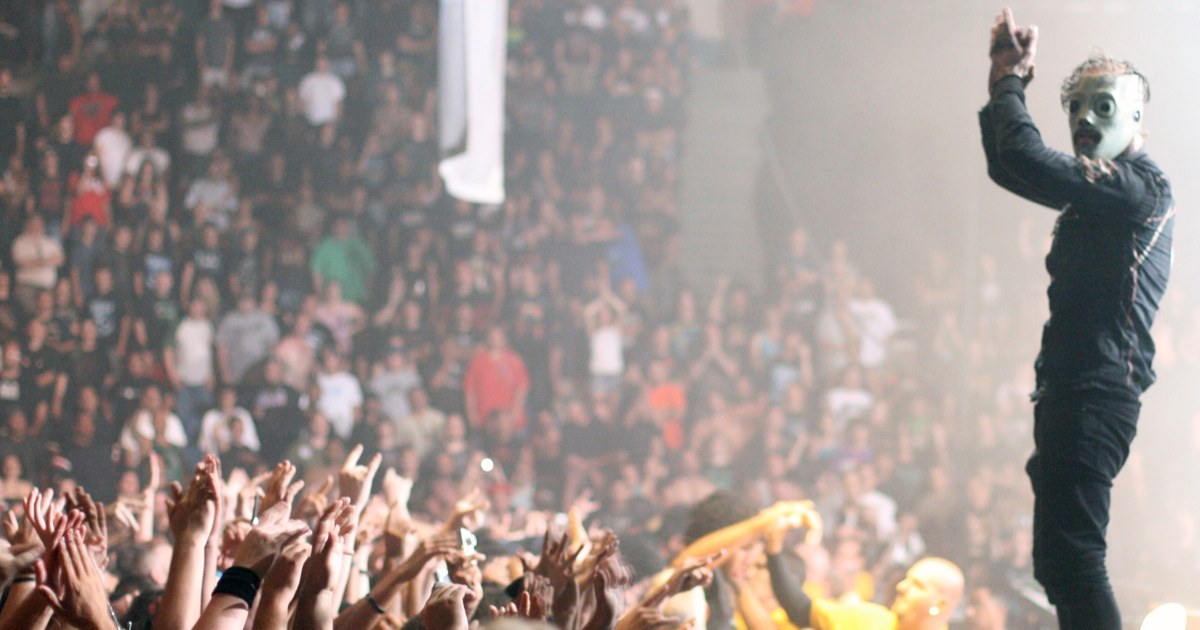
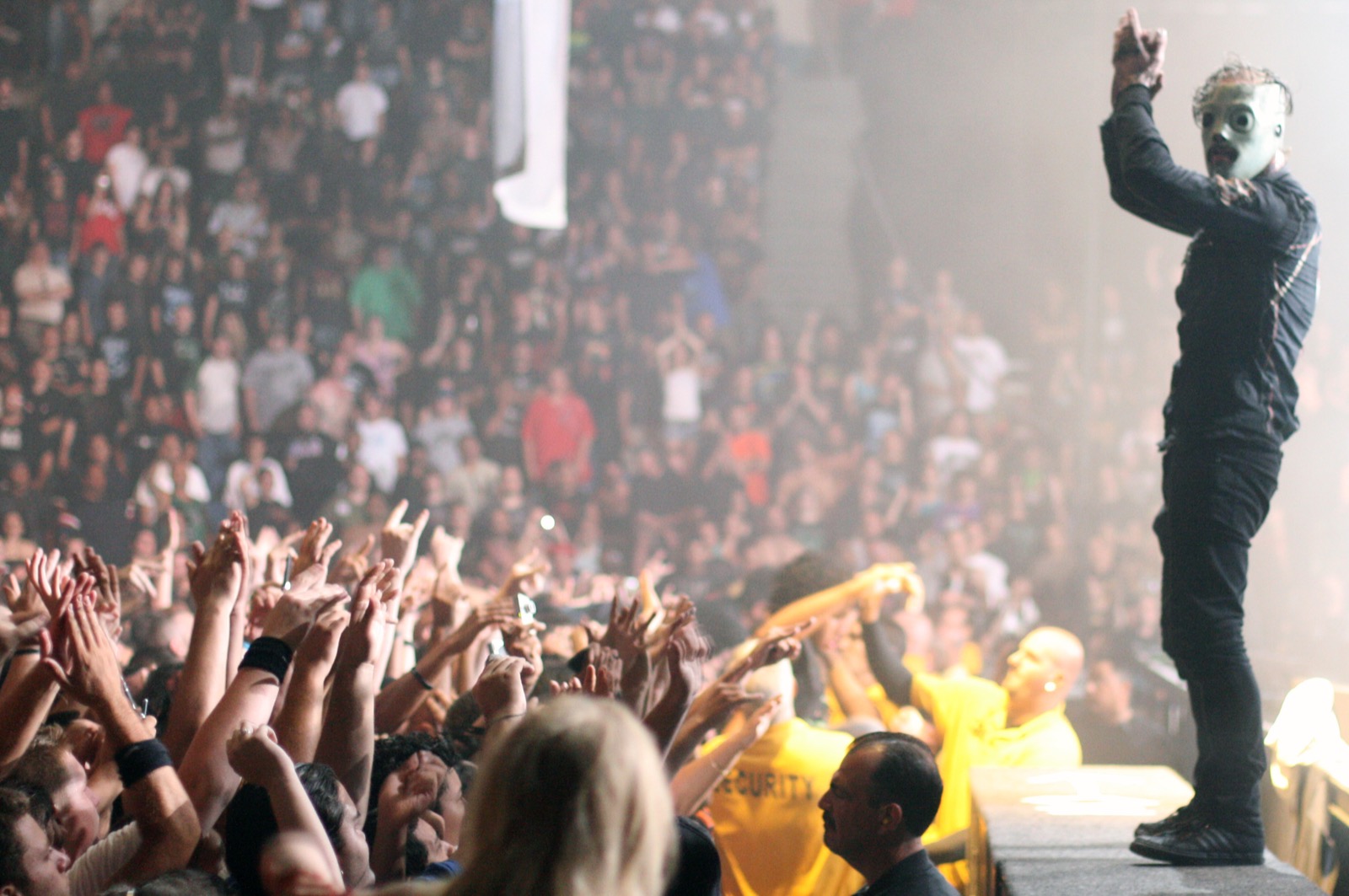
In a new interview with Josh Scherer of Mythical Kitchen, Taylor looked back at seeing Slipknot perform in April 1996, roughly a year before he joined the band as its frontman. His description was blunt: "It was psychotic. I'd never seen anything like it." That is not just a colorful pull quote. Coming from someone who would later become one of the most recognizable voices in heavy music, it says something about how fully formed the threat already felt.
Slipknot's mythology often gets flattened into the masks, the numbers, the self-titled album, and the explosion that followed. Taylor's memory cuts earlier than that. Before the major-label machine, before the global festival slots, before every new masked band had to answer for the comparison, there was already something in Iowa that felt wrong in the right way.
Why That 1996 Show Still Matters
The useful part of Taylor's story is not nostalgia. It is scale. In 1996, Slipknot was not yet the arena institution that could spend decades redefining what a heavy band looks like onstage. The band was still building its language in rooms where chaos had to be earned without production money smoothing the edges.
That is why Taylor calling it psychotic lands. He was not describing a slickly packaged spectacle. He was describing a local band that already felt like an attack. The percussion overload, the bodies moving everywhere, the masks, the sense that the stage was less a platform than a containment problem — that combination was there before the industry could turn it into branding.
It also says something about Taylor himself. He was not pulled in by a safe career move. He saw a band that felt unstable and wanted closer contact with the blast. That matters because Taylor's eventual arrival did not domesticate Slipknot. It gave the band a voice capable of carrying the same sickness in a more direct form.
Metal history is full of singers joining heavy bands and sanding them into something easier to sell. Slipknot went the other way. Taylor brought hooks, range, and emotional language, but he did not remove the danger. If anything, he made it easier for the danger to travel.
The Band Was Already Bigger Than One Frontman
Taylor's reflection also pushes back against one of the lazier ways people talk about Slipknot: as if the band began when he took the mic. That version is cleaner, but it is not accurate. The early Slipknot machine already had a physical identity and a local reputation before Taylor entered the frame.
That is part of why the band's classic-era chemistry hit so hard. Taylor was not inventing the world from scratch. He was stepping into a thing that already had pressure, weirdness, and ritual attached to it. His job was to become the human nerve center without making the rest of the machine feel secondary.
Decades later, that tension is still the point. Slipknot can survive lineup changes because the concept was never only one singer, one drummer, or one mask. Metal Mantra covered that strain in the band's modern era when Jay Weinberg's Slipknot gear hit Reverb and again when Clown opened up about heart surgery after touring. Every one of those stories circles the same truth: Slipknot is a machine, but it is made of breakable people.
Taylor's 1996 memory gives that machine an origin point before the mythology hardened. It was not clean. It was not corporate. It was not waiting for permission. It was a room full of people trying to make heavy music feel like a physical problem.
Why Fans Still Care About This Version of the Story
There is a reason these early Slipknot stories still travel. Fans are not just collecting trivia. They are trying to understand how a band that looked too extreme for mainstream survival became one of metal's defining exports.
Taylor's answer is simple without being sanitized: the band already felt undeniable before it was famous. That is the difference between a gimmick and a force. A gimmick needs the rollout to make sense. A force makes people in the room understand before the language catches up.
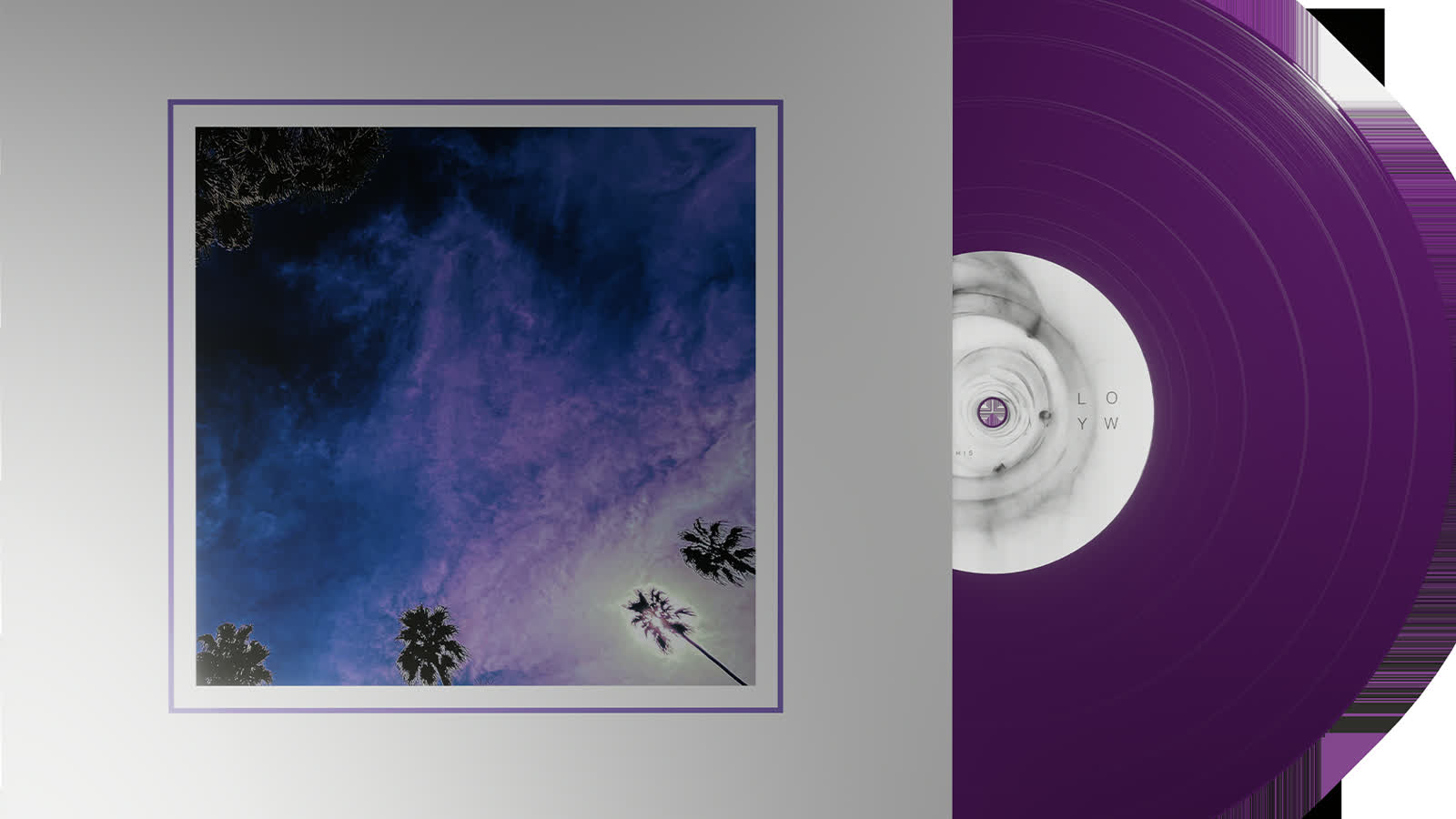
That is also why Slipknot's side roads keep drawing attention. Whether Taylor is stretching outside the band with collaborations like his Kid Bookie track "BLAME" or members are revisiting long-delayed material like Look Outside Your Window, fans keep returning to the question of what made the original engine so hard to copy. The answer keeps pointing back to the same thing: chemistry, violence, identity, and a refusal to behave like a normal metal band.
For readers rebuilding that era, browse Slipknot albums, vinyl, and merch on Amazon. The records matter, but Taylor's story is a reminder that the first shock happened in the room before the catalog became canon.
Taylor eventually became the voice most people associate with Slipknot. But the most interesting part of this story is that he sounds like everyone else who got hit by the band early: stunned, a little rattled, and clear that he had just seen something that was not built to stay local for long.