International Day Of Slayer was always too specific to die quietly.
The holiday started on June 6, 2006, when Slayer fandom, internet prank energy and metal's long-running outsider streak all met on the same ugly calendar square. Twenty years later, founder Jeff Tandy has given the tradition a deeper look in a new interview tied to Talkin' Slayer and Metalenema, and the useful part is not nostalgia. It is how clearly the story shows what Slayer still represents to the people who never treated the band like background music.
The official International Day Of Slayer site still frames June 6 as a day for Hessians to do one thing together: listen to Slayer loudly enough that everyone around them understands the point. That reads absurd on purpose. It also explains why the holiday kept moving after the first 6/6/06 stunt passed. Slayer fans did not need a corporate campaign to tell them the date was funny, hostile and perfect.
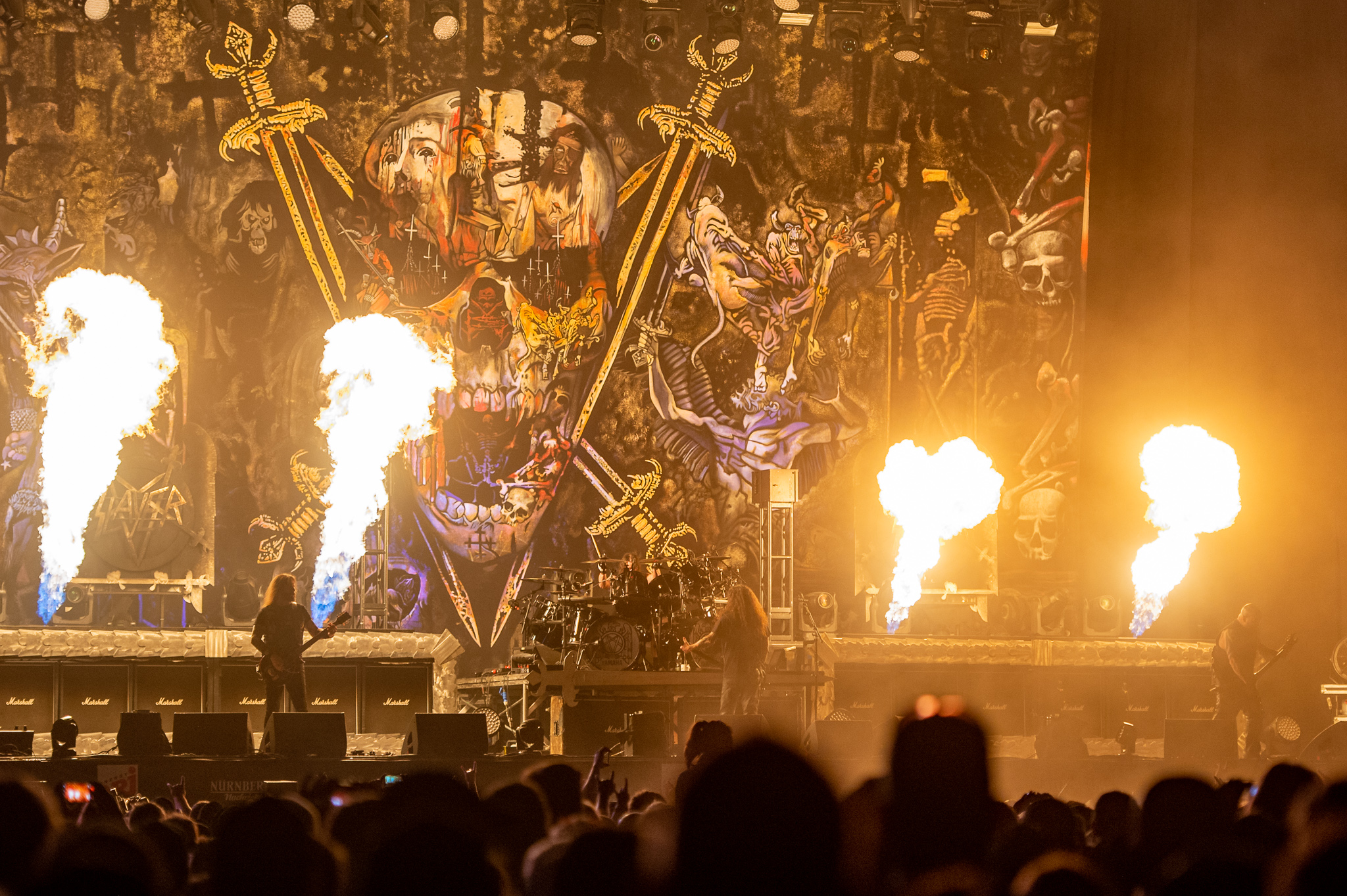
Metal Mantra has been tracking Slayer's 2026 reunion activity closely, from the band's Reign In Blood headline shows to the continuing pull of Slayer's catalog legacy. This is the same story from another angle. The band can still sell event nights because the culture around Slayer has always been participatory. Fans do not just rank the records. They ritualize them.
Why 6/6/06 Worked
Tandy's original National Day Of Slayer idea landed because the joke was obvious and the timing was impossible to improve. June 6, 2006 gave metalheads the 666 shorthand on a real date, and the holiday was built as a parody response to religious civic rituals that never had much room for people whose spiritual vocabulary started with Hell Awaits and Reign In Blood.
That first year could have stayed a one-day gag. Instead, fans outside the United States grabbed it, gatherings and translated versions of the site appeared, and the name shifted into International Day Of Slayer. The bit became a fan holiday because the band already had the right kind of following: obsessive, loud, slightly unreasonable and allergic to asking permission.
There is a reason Slayer works better for this than most metal bands. Metallica is bigger. Iron Maiden is more communal in the old-school sense. Black Sabbath carries the origin myth. Slayer, though, has always been the band that turns devotion into a test. If you are in, you are all the way in. If you are not, the fans are fine with that too.
The History Was Not Always Clean
The anniversary interview also matters because Tandy is not presenting the holiday as harmless merch-table folklore. The history includes the founders stepping away publicly after attempts were made to connect the celebration to vandalism at religious landmarks. That is where the line matters: Slayer's music can be confrontational without turning fandom into some excuse for dumb real-world damage.
Metal has always had to live with outsiders flattening the culture into panic stories. Slayer got more of that than most, especially during the band's classic era, when lyrics, imagery and speed were enough to make half the room clutch pearls before the first chorus landed. International Day Of Slayer played with that tension. The smarter version of the holiday still does. The stupid version misses the joke and hands critics exactly what they want.
That is why the 20-year mark is more interesting than another round of "blast Slayer at work" posts. The tradition has survived long enough to become a strange little archive of metal culture before social media fully swallowed everything. It started with a standalone website, fan effort and word of mouth. It did not need a brand manager.
Tom Araya's Birthday Makes It Even Stranger
June 6 also belongs to Tom Araya, who was born on June 6, 1961. That means the 20th International Day Of Slayer arrived on Araya's 65th birthday, which is almost too on the nose for a band whose mythology already runs on numbers, symbols and fans finding patterns in the smoke.
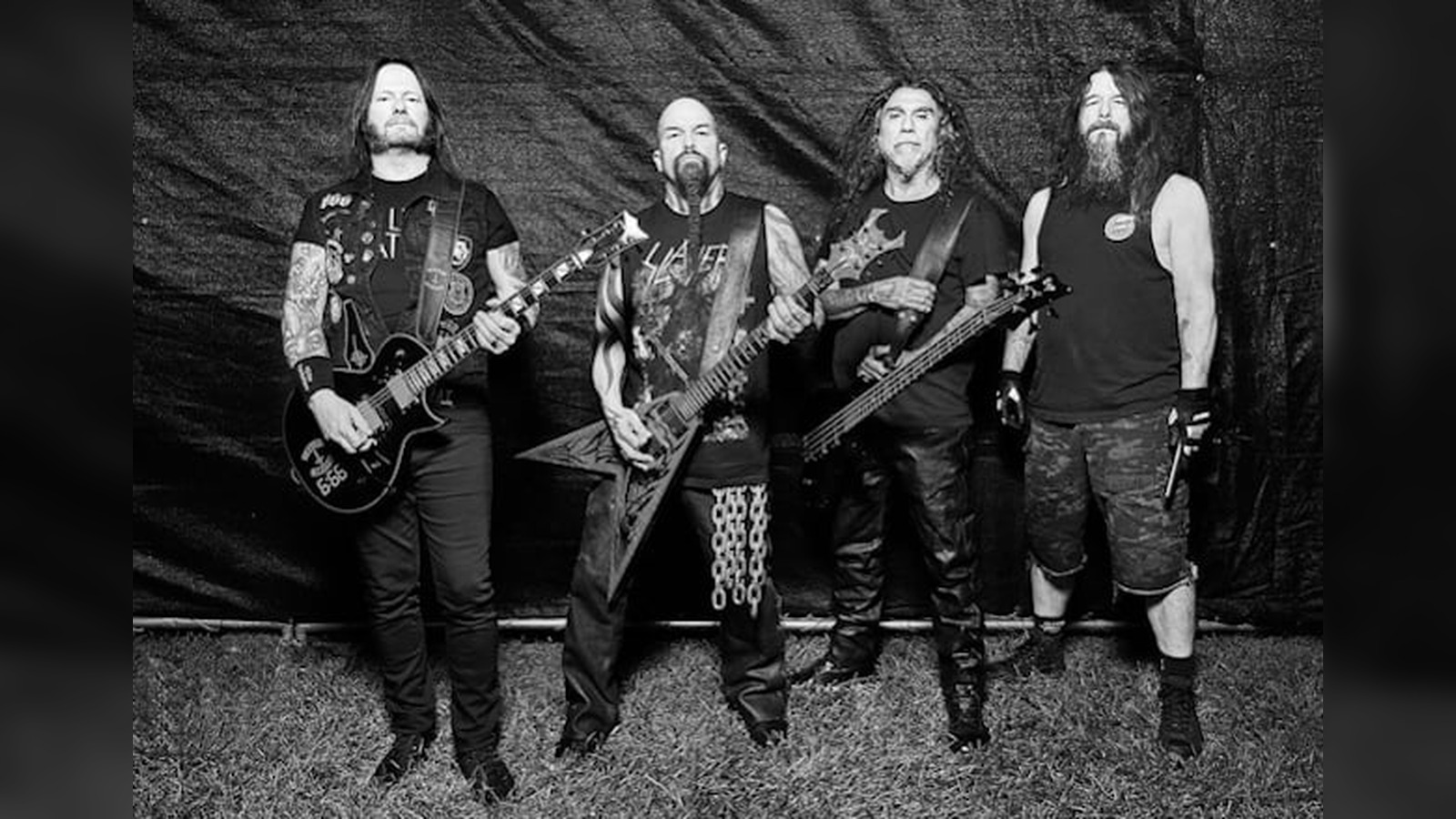
The current Slayer lineup has made the anniversary feel less like a museum piece. Araya and Kerry King are back onstage with Gary Holt and Paul Bostaph, and the band's 2026 calendar keeps feeding the old argument: retirement did not erase demand. It only made each new booking feel heavier.
For anyone looking to restock the essentials before the next June 6, the obvious starting point is still Slayer's classic albums on Amazon. The holiday does not work if the records are treated like props. It works because Show No Mercy, Hell Awaits, Reign In Blood, South Of Heaven and Seasons In The Abyss still sound like commitments.
Why The Holiday Still Has Teeth
International Day Of Slayer is ridiculous. That is not a weakness.
Metal loses something when every rough edge gets sanded into content strategy. A fan-made Slayer holiday is messy, funny, occasionally embarrassing and rooted in a kind of devotion that streaming metrics cannot explain. It is exactly the kind of thing that should exist outside the official machine, even when the official machine eventually notices it.
The 20th anniversary puts Jeff Tandy back at the center of that story, but the reason it matters is bigger than one founder interview. It is a reminder that heavy music culture is built by people who make meaning out of records, dates, inside jokes and shared defiance. Sometimes that becomes a festival. Sometimes it becomes a patch on a vest. Sometimes it becomes a fake holiday that refuses to go away.
That feels right for Slayer. They were never supposed to be polite enough for a clean legacy package.